How to choose bread for sandwiches comes down to three things: how wet the filling is, how much heat it gets, and how much flavor you already have going on. There is no single best loaf. A sturdy slice handles tomato and mayo, a soft one suits peanut butter, and a chewy crust is what survives a panini press. Pick the filling first, then match the bread to it.
Most people get this backwards. They fall for the biggest loaf at the bakery counter, slice it thick, and then wonder why the sandwich falls apart by noon. The loaf you choose quietly sets the ceiling on how good everything else can taste.
I’ve been buying sandwich bread for a market stall and a house full of lunchboxes for years, and the same handful of questions at the counter does most of the work. Here is how I work through them.
Table of Contents
- What You Need
- Step-by-Step: How to Choose Bread for Sandwiches
- 1. Start with the filling
- 2. Pick the right crumb
- 3. Choose a crust that suits the preparation
- 4. Match the bread to the cooking method
- 5. Check ingredients, freshness, and storage
- 6. Test the final pairing
- Common Mistakes
- Frequently Asked Questions
- What bread is best for a grilled cheese?
- How do I keep sandwiches from getting soggy?
- What is the best bread for a PBu0026amp;J?
- Is sourdough better for sandwiches than white bread?
- What bread keeps a turkey sandwich from falling apart?
- What should I look for in gluten-free sandwich bread?
- Conclusion
What You Need
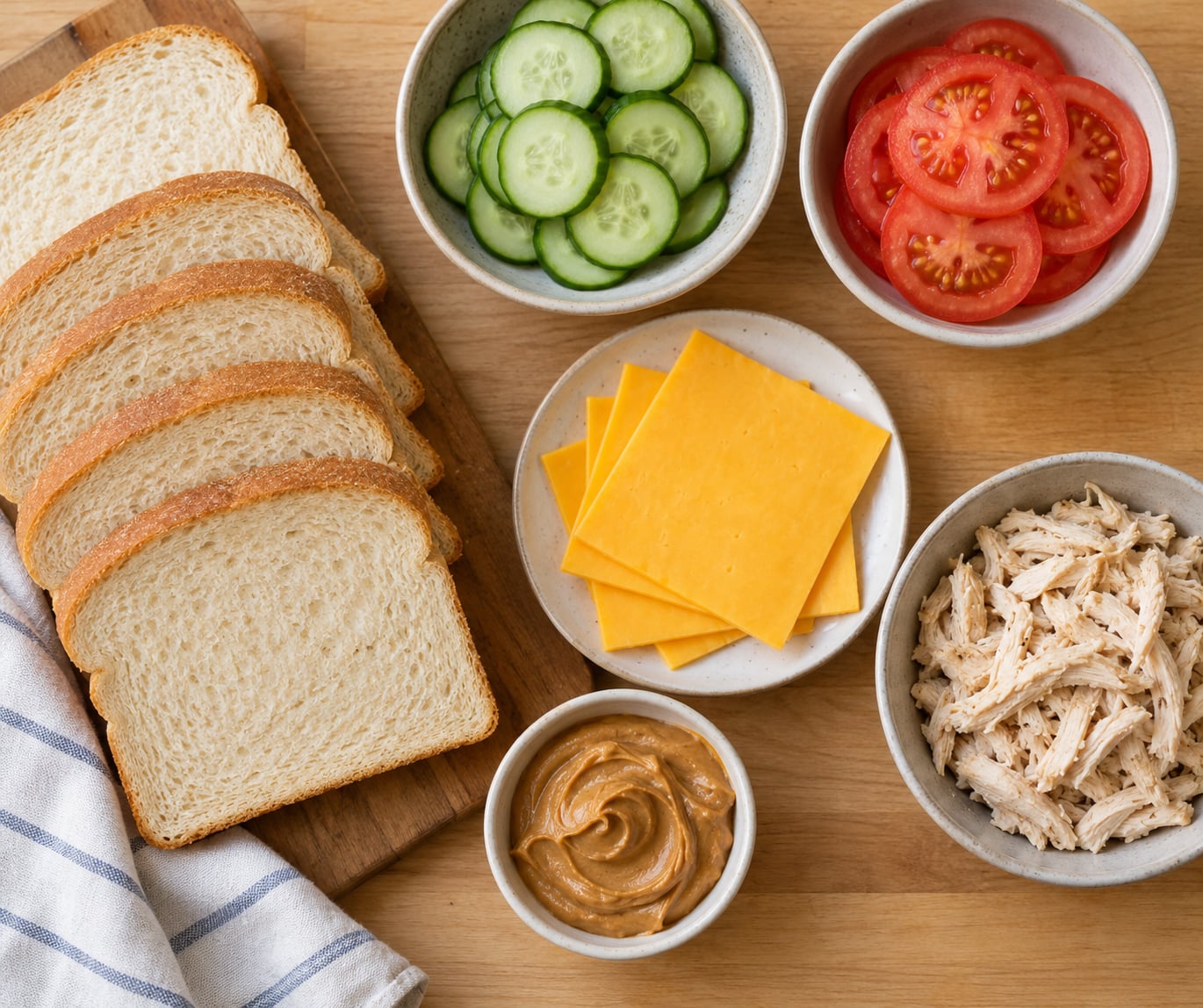
Before you shop, work out six things about the sandwich. It takes about a minute and saves you from buying a loaf you cannot use.
- The filling. Is it wet and juicy, like tomato or deli turkey, or dry and spreadable, like peanut butter or butter and jam?
- How much moisture it brings. Mayonnaise, aioli, mustard, pickles, and rinsed tomatoes all push liquid into the bread.
- How you will cook it. Cold and assembled, toasted in a toaster, pressed in a panini press, or baked until the cheese browns.
- How hot it is served. A cold turkey salad sandwich and a hot melted one need very different bread.
- How big the portion is. A slider needs a small round slice. A hoagie needs a long roll that holds its shape.
- When you eat it. Straight away, in four hours from a lunchbox, or the next morning.
If you can answer those six, the bread choice is nearly made. The rest is detail.
Step-by-Step: How to Choose Bread for Sandwiches
1. Start with the filling
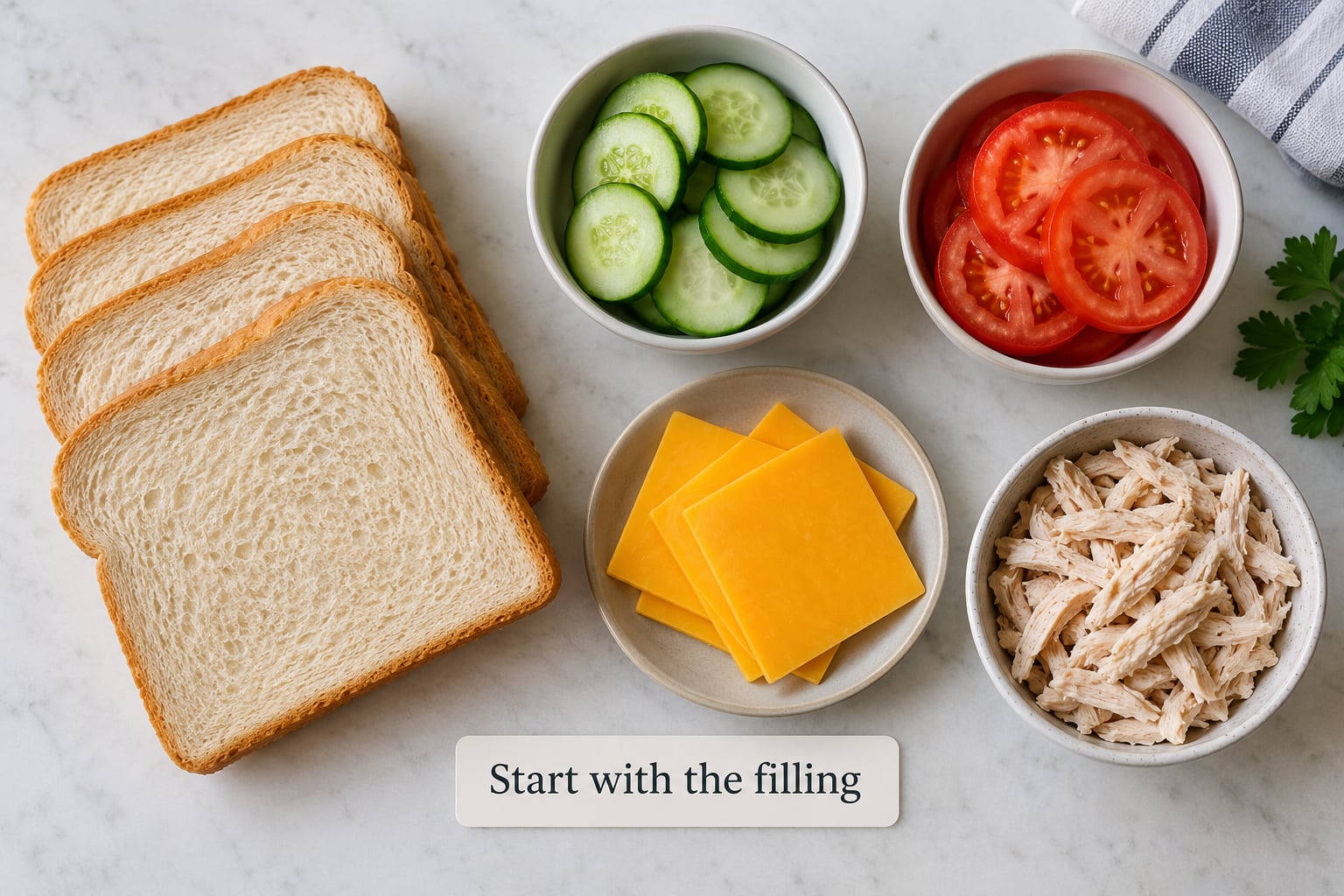
Wet fillings ask for structure. A tomato slice or a stack of roast beef will turn a soft slice into paste within an hour, so those want bread with a tight crumb and enough chew to resist it. Dry, spreadable fillings such as peanut butter or butter and jam are the opposite. They need a slice soft enough to bend without cracking and mild enough that the filling tastes like the main event.
Seasoned or strong fillings change the target too. Pastrami, corned beef, and sharp cheddar already bring salt and chew, so a neutral loaf keeps the balance. Smoked salmon, tuna, and pickled herring want something with real flavor underneath, usually rye or a tangy country loaf.
One more variable: fragility. Deli meat and soft cheese tear when you bite, so a slice with a bit more thickness and a slight crust holds together where a paper-thin white slice collapses.
2. Pick the right crumb
Crumb means the inside of the slice, and it decides whether the sandwich keeps its shape.
- Fine crumb is what most packaged white and wheat sandwich loaf has. Few holes, soft, compresses easily. Great for spreads and deli meat, poor for anything wet and hot.
- Medium crumb has a few small holes and slightly more resistance. This is the sweet spot for turkey, BLTs, and grilled cheese at home.
- Open crumb is full of irregular holes and air. Excellent for soaked fillings and chunky sandwiches, because liquid sits in the holes instead of turning the slice to glue. Less good for peanut butter, which sinks straight through.
Squish the slice gently between finger and thumb. It should spring back slowly and leave a dent you can half see. If it stays compressed, it is too soft for a filling with any weight. If it springs instantly like a sponge, it is dense and dry, and will taste like chewing cardboard by day three.
3. Choose a crust that suits the preparation
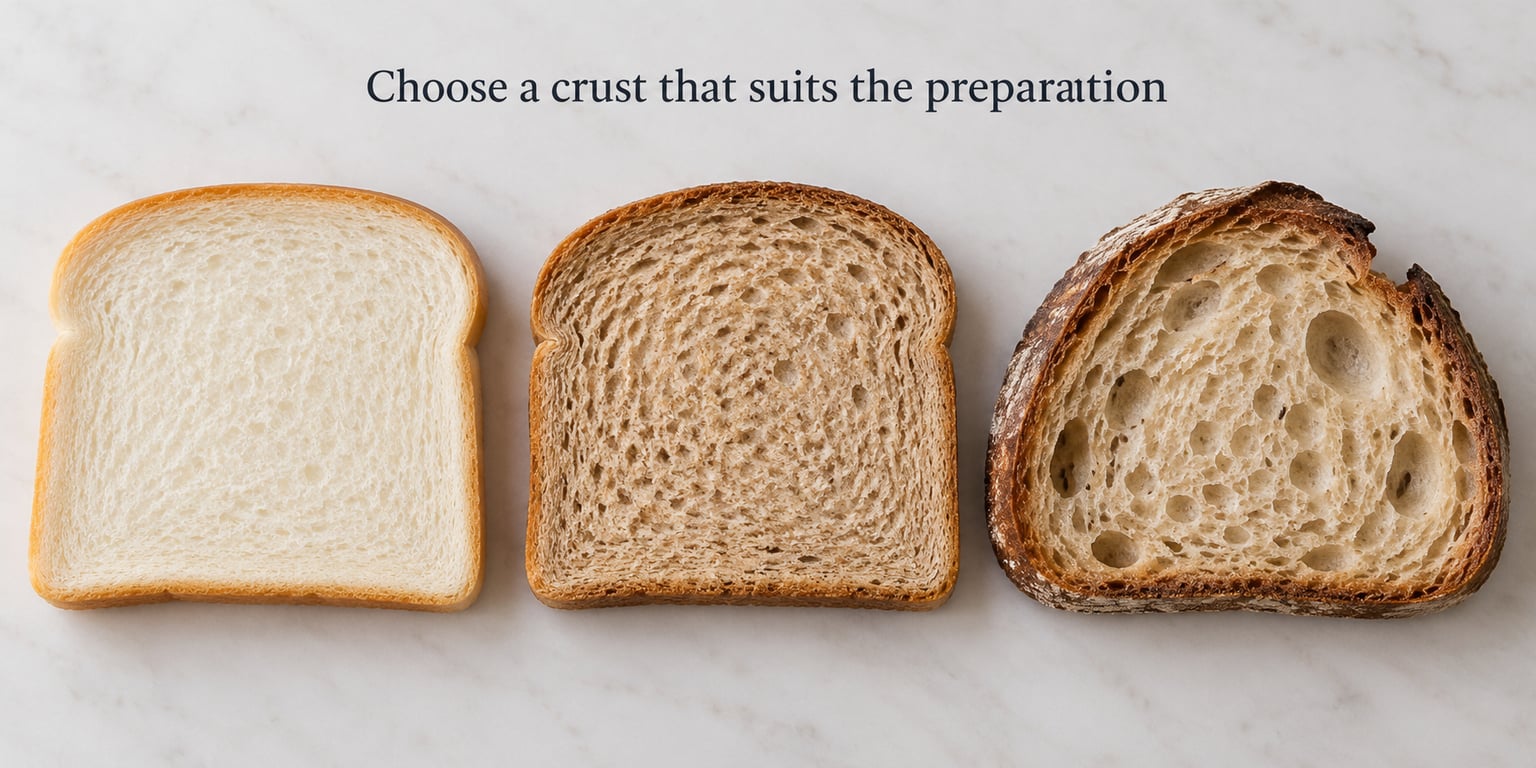
A soft crust bends and compresses, which is right for a school lunch sandwich and wrong for a press. A thin crust crisps nicely and stays tender inside. A thick, chewy crust adds chew and flavor, and it is the only version that survives real heat.
Slice thickness follows from this. For a closed sandwich, aim for roughly half an inch, which is the standard packaged slice. For an open-faced melt or a very wet filling, go thicker, around three-quarter to one inch, because the bread has to act as both the plate and the sponge. Cutting thin is fine for a stacked club, since the top slices supply the structure.
None of this is fixed. A half-inch slice of dense rye and a three-quarter-inch slice of white are not the same measurement of anything. Compare thickness against how hard the bread resists the knife.
4. Match the bread to the cooking method
Cold, no heat. Almost anything works. Soft white and wheat are the safe default, and a crusty loaf adds welcome contrast against a creamy filling.
Toasted in a toaster. Bread needs to be thick enough not to shatter, and sturdy enough to carry toppings without bending. Rye, whole wheat, and medium wheat slices hold up well here.
Grilled in a buttered pan. The pan adds fat and high heat, which softens a fine crumb until it goes soft-chewy, then crisp. Bread with a moderate crumb and a thin crust works best, because a thick crust burns before the cheese melts. That is the whole argument behind plain white for processed cheese and sourdough for anything sharper.
Pressed in a panini press. This is the harshest test. You need a chewy crust and a sturdy crumb, so ciabatta, focaccia, or a thick-cut country loaf are the right call. Thin white bread turns to paste under a press.
Baked until golden. Watch the sugar. Enriched loaves with honey or butter brown quickly, and a very sugary brioche can go from golden to black in under a minute at a high temperature.
5. Check ingredients, freshness, and storage
Turn the bag over and read it. Five items tell you most of what you need to know.
- Fiber per slice. Two grams or more is a good sign of a real whole grain. Below that and the loaf is mostly refined flour with a few grains mixed in for color.
- First ingredient. If it says whole wheat flour rather than wheat flour, you are looking at genuine whole wheat. Wheat flour alone is refined.
- Added sugar. Five grams or more per slice shows up as sweetness on the grill and fights savory or fishy fillings.
- Dough conditioners. Mono and diglycerides, calcium propionate, and similar names are there to keep packaged bread soft for weeks. That softness is exactly what turns to paste under heat, so it is not a bad thing, it just means do not grill it.
- Fat. Around three grams per slice is normal for a soft sandwich loaf. Significantly higher and the crumb gets cakelike.
At a bakery counter, freshness is visible. Press a fingertip into the crust and let go. A dent that partly stays is a loaf baked today. A loaf that has gone dull and hard at the edges was baked a couple of days ago and will be dry by tomorrow.
For storage, skip the refrigerator. It dries bread out faster than leaving it on the counter. Freeze it in a single layer and pull slices as needed; a frozen slice revives in a toaster in about two minutes. That single-slice trick is the answer to a lunchbox that has to hold up until afternoon.
6. Test the final pairing
Before buying a whole loaf, build one sandwich and eat it while it is still warm. This last check is the step most people skip in how to choose bread for sandwiches. Four things to look at:
- Does the bread hold up when you pick it up with both hands, or does the filling slide out?
- Can you take a bite without the bottom half collapsing or a piece landing in your lap?
- After the bite, does the bread taste neutral and pleasant, or does it fight the filling?
- Is the portion right for the eater, or did you build a sandwich meant for someone with a bigger appetite?
Buy a small loaf first. It is a cheap mistake to make compared with a large one you finish two slices into.
Common Mistakes
- Choosing by color. Dark does not mean whole grain. Many brown loaves get their color from molasses or caraway. Read the first ingredient.
- Ignoring a wet filling. Tomato, cucumber, and pickles release water. Dry them, or layer them away from the bread.
- Picking the softest slice for a hot sandwich. Enriched white bread that is perfect for a cold turkey sandwich collapses under a broiler. Use something with crust.
- Storing bread in the fridge. Refrigeration accelerates staling. Freeze instead.
- Assuming dense is healthier. A very dense seeded loaf can be tough to eat and can squeeze fillings out the sides. A medium-density whole wheat slice is often the better pick.
- Thickening everything. A thick slice helps an open-faced melt and hurts a peanut butter sandwich, where you want it to bend without cracking.
- Grilling a sweet loaf. Honey and brioche loaves burn before the filling heats through. Save them for cold sandwiches.
One more worth naming: layering wet ingredients in the middle. Mayo goes on the bread, meat and cheese next, then lettuce and tomato in the center. The filling acts as a barrier and the outer slices stay drier for longer.
Frequently Asked Questions
What bread is best for a grilled cheese?
For a basic grilled cheese with processed cheese, a soft white or wheat slice with a thin crust works well. The butter in the pan supplies the fat and crunch, and the fine crumb turns soft-chewy without tearing. For sharper cheeses like aged cheddar or gouda, use sourdough or a medium wheat slice, which has more chew and stands up to the stronger flavor. Thicker than half an inch is a mistake here, because the outside browns long before the cheese melts.
How do I keep sandwiches from getting soggy?
Toast the bread first, even lightly, which creates a barrier that slows moisture moving inward. Spread any mayonnaise or dressing on both slices rather than one. Put wet ingredients such as tomato, cucumber, or pickles in the center of the stack instead of against the bread, and pat them dry before assembly. Finally, keep wet and dry components separate until the moment you eat, and pack condiments in a separate container when the sandwich travels.
What is the best bread for a PBu0026amp;J?
A soft white sandwich loaf with a fine crumb is the standard answer. Peanut butter needs a slice that bends without cracking, and a very open crumb lets the filling drop straight through to the counter. Wheat bread works too and adds a little nuttiness, while seeded or multigrain loaves tend to make the sandwich too chewy for a kid. Slightly thicker than a packaged slice helps if the peanut butter is thick and sticky.
Is sourdough better for sandwiches than white bread?
It depends on the filling and whether you toast. Sourdough wins for grilled, pressed, or baked sandwiches because its tang and chewy crust survive heat, and for wet or strongly flavored fillings like tuna or roast beef. White bread wins for cold, mild sandwiches such as turkey and cheese or PBu0026amp;J, where its neutrality keeps the filling in front. Many people keep both on hand and use white during the week and sourdough on weekends.
What bread keeps a turkey sandwich from falling apart?
Choose a slice around half an inch thick with a medium crumb and a light crust, such as a wheat or honey wheat loaf. Thicker slices hold deli meat and cheese without tearing when you bite, and a medium crumb keeps its shape under the moisture turkey releases. Mayonnaise on both slices helps bind the layers. Avoid very soft enriched white bread, which compresses and squashes, and avoid seeded dense loaves, which tend to shed crumbs into the filling.
What should I look for in gluten-free sandwich bread?
Look for a loaf with at least three grams of fiber and four or more grams of protein per slice, which usually signals a sturdier formula. Skip very light slices, since they tear during assembly, and check that yeast or a similar binder is in the ingredient list to help with structure. Any bread marketed as gluten-free benefits from toasting, which firms the crumb. If you are avoiding gluten for medical reasons, confirm the label with your clinician or dietitian.
Conclusion
Choose the filling and the cooking method first. Wet or hot fillings want a sturdy crumb and a real crust, cold mild fillings want something soft and neutral, and slice thickness follows from how much the bread has to hold up. Read the label for fiber, sugar, and dough conditioners, buy a small loaf, and build one sandwich before committing to a whole bag.
That last habit is the one that pays off. A ten-second test at your own counter tells you more about how to choose bread for sandwiches than any brand name on the shelf.