A harvest festival potluck works when every guest knows what to bring before the day arrives: you set a date and a headcount, claim the main and the drinks yourself, and fill a shared sign-up sheet by food category so nobody arrives with the third pie of the season. Learning how to plan a harvest festival potluck takes roughly six weeks of back-and-forth plus one afternoon of setup, and nearly all of the real work happens before the invitations go out.
What follows is the plan I use for our own market table gatherings and hand to friends who run church, school, and neighborhood events: a supplies list, seven planning steps, a copy-ready sign-up sheet, and the food safety numbers people usually leave out.
Table of Contents
- What You Need to Plan a Harvest Festival Potluck
- Planning materials
- Serving equipment and space
- Seasonal ingredients
- Food safety supplies
- Step-by-Step: How to Plan a Harvest Festival Potluck
- 1. Set the guest count, date, and potluck style
- 2. Choose a seasonal harvest theme
- 3. Create a balanced menu and assign dishes
- 4. Plan quantities, equipment, and serving space
- 5. Prepare and transport food safely
- 6. Set up a simple serving and eating area
- 7. Finish the gathering and handle leftovers
- Common Mistakes When You Plan a Harvest Festival Potluck
- Three desserts and no main
- Nobody signs up at all
- Forgetting serving utensils
- Finding out about allergies on the day
- Overloading one table
- Leaving food at the wrong temperature
- No rain plan
- Letting the decor and logistics take over
- Frequently Asked Questions
- What food works best for a harvest festival?
- What makes a good fall festival?
- Is there a free online sign-up sheet for potlucks?
- How much food should I plan per guest for a potluck?
- How do you keep food safe at an outdoor fall potluck?
- What should the host provide and what should guests bring?
- Conclusion
What You Need to Plan a Harvest Festival Potluck
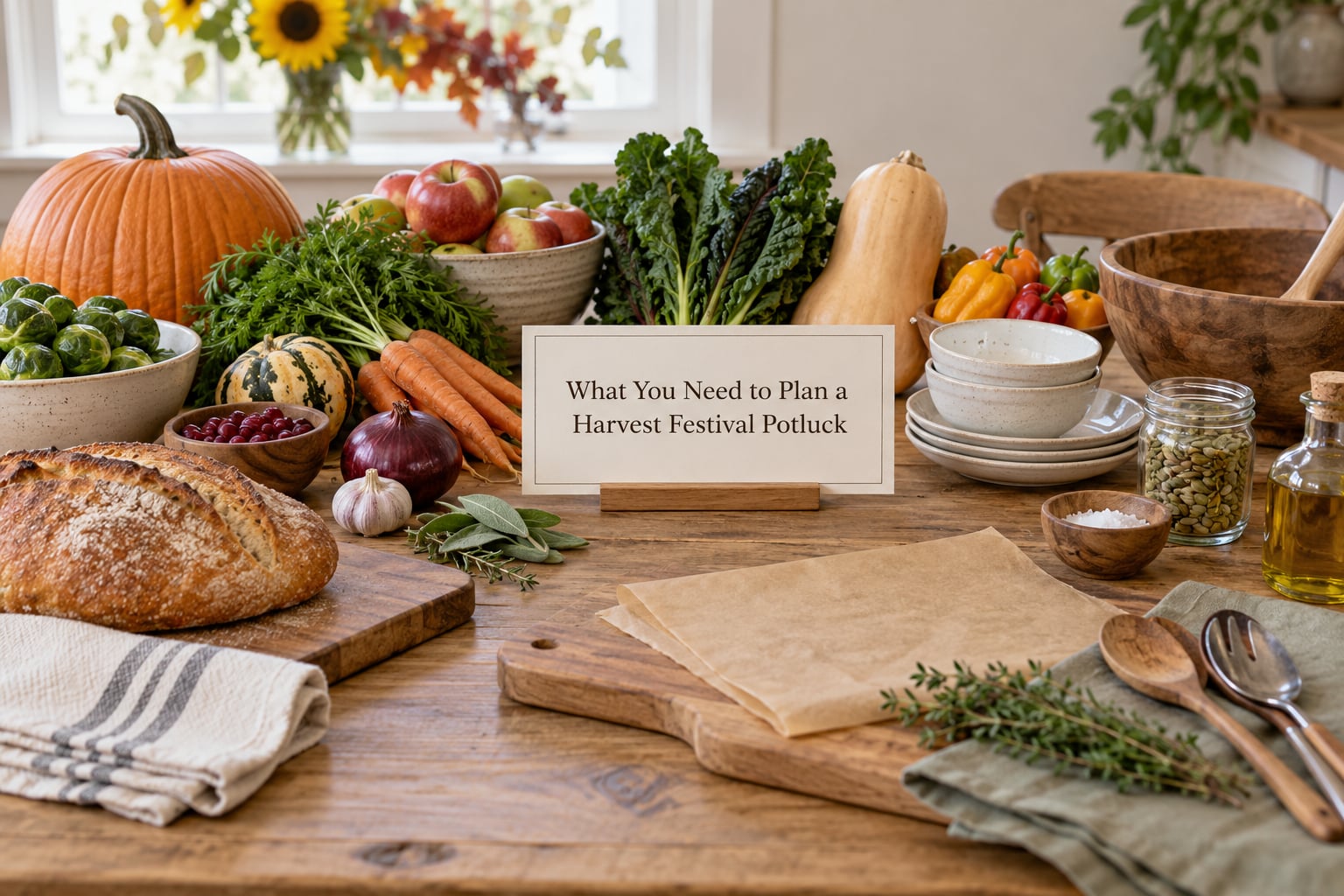
Everything here is either something you buy once and reuse each year, or something you borrow from whoever hosts the gathering. Nothing on this list requires a trip to a specialty store.
Planning materials
- A shared document for the sign-up sheet, one column per food category, built in a spreadsheet or a free sign-up site.
- An invitation or email that states the date, time, address, whether it is indoors or outdoors, the potluck style, and what the host is covering.
- A guest count you are comfortable feeding, with a ten percent cushion on top.
- A rain plan: an indoor room at the same site, or a firm cutoff time and a group text.
- A small stack of index cards and a pen, or printed labels, for marking dishes on the table.
Serving equipment and space
- Two or three serving spoons or tongs, ideally one per dish so nothing is shared across allergens.
- A chafing dish, a slow cooker, or a warming tray for hot food, plus fuel if the chafing dish is not electric.
- Ice bins or a bucket of ice with a few trays for cold dishes and drinks.
- Long tables or two folding tables for a buffet line, plus a table runner or burlap for the harvest look.
- Plates, cups, napkins, and a trash and recycling bin, which the host covers rather than guests.
- String lights, a few pumpkins and gourds, and any corn or orchard produce you want for the display.
Seasonal ingredients
Buy these for the dishes you host, and name them in the sign-up sheet so guests can build around them: apples and pears, pumpkins and winter squash, sweet potatoes, applesauce, cider, fresh sage and thyme, and a sturdy bread or two from a local bakery.
Food safety supplies
- An instant-read thermometer. This is the single tool that decides whether you can honestly say the food is safe.
- Food-safe containers with lids, plus foil and parchment for covering dishes during transport.
- Cooler bags or ice packs for cold dishes that have to travel more than twenty minutes.
- Disposable gloves and a wet wipe or sanitizer for the person handling leftovers.
Step-by-Step: How to Plan a Harvest Festival Potluck
1. Set the guest count, date, and potluck style
Pick the date first, then work backward. Six weeks out is comfortable for a group over 20 people, three weeks is workable for a smaller circle, and less than two weeks usually means nobody signs up because they have already made plans.
Choose the potluck style explicitly, because it changes everything else. An open potluck lets guests bring whatever they like and almost always produces five desserts. A category potluck, where you assign slots in advance, is what most hosts should use. A bring-your-own-drink event saves money but leaves drinks to chance.
Decide indoor or outdoor now and name a backup. In most regions, autumn weather turns in the evening, so an outdoor event still needs a room with a table and a working outlet for the hot dishes. Announce both options in the invitation so nobody has to guess.
2. Choose a seasonal harvest theme
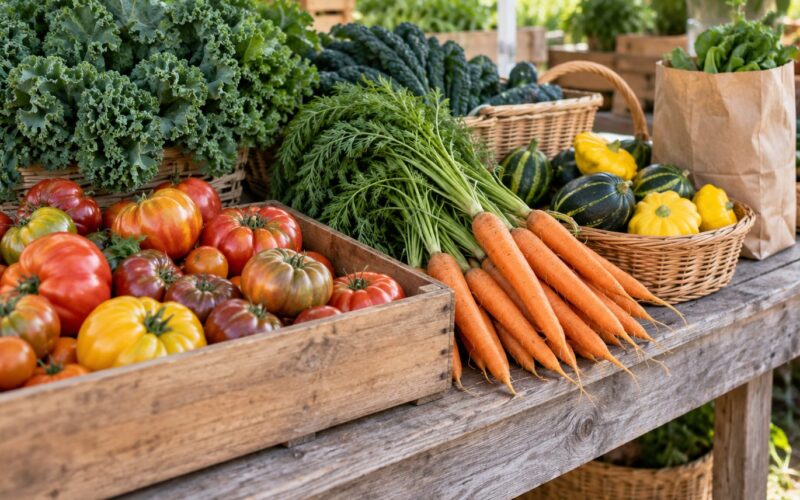
The theme gives guests permission to cook what is already in season, which is cheaper and tastes better than out-of-season produce. Build the menu around apples, pears, pumpkins, butternut and acorn squash, sweet potatoes, corn, late tomatoes, grapes, and whatever greens your local growers still have in October.
A local market, farm stand, or bakery is the easiest supply line for the dishes you host. Ask a few vendors in early September what will be plentiful in autumn and order from them first; a market baker will also tell you which pies and breads sell out fastest that weekend.
Give the gathering a shape beyond the food. A gratitude table where guests write what the season gave them, a corn-husk or pumpkin-carving table for kids, or a friendly contest for the best pie keeps the afternoon from turning into a meal that ends at 3 p.m.
3. Create a balanced menu and assign dishes
The plan works when each category has a named owner instead of an open invitation. Copy this layout into a shared spreadsheet, drop in the dish names as guests claim them, and close the sheet one week before the event so you know what is actually coming.
| Category | Who fills it | Examples that fit the season |
|---|---|---|
| Appetizers | Guests | Cheese board with apple slices, spiced nuts, crostini with roasted squash |
| Main dishes | Host | Pulled pork, baked ham, a vegetarian chili or mushroom and lentil loaf |
| Sides and vegetables | 2 slots, guests | Roasted root vegetables, sweet potato casserole, green beans with almonds |
| Bread and starches | 1 slot, guests | Country loaf, dinner rolls, wild rice or baked barley |
| Salads | 1 slot, guests | Roasted squash and kale salad, apple and arugula salad with cider vinaigrette |
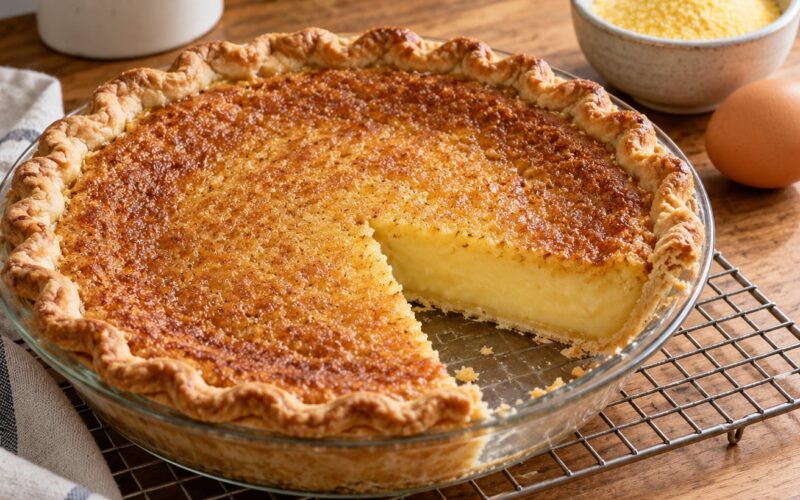
| Desserts | 2 slots, guests | Apple crisp, pumpkin pie, pecan pie, pumpkin cheesecake bars |
| Drinks | Host | Hot cider with add-ins, water, coffee, tea, sparkling water |
| Plates, cups, napkins, serving spoons | Host | Nothing to bring but yourself |
This is also where you solve the dietary problem early. Ask guests to mark any dish that is vegetarian, gluten-free, dairy-free, nut-free, or pork-free, and reserve one main slot for a dish that is not meat-based. Potluck threads on community boards keep surfacing the same problem: someone shows up early with a dish they cannot eat at a table where every spoon is shared.
4. Plan quantities, equipment, and serving space
Guests regularly under-plan by a third because they think their dish is one part of many. Your job is to give them a number. Use a per-guest guide and add a ten percent buffer, then tell people in the invitation what you are covering.
| Item | Per guest | For 20 guests |
|---|---|---|
| Main dish | About half a pound | 10 to 12 pounds cooked |
| Vegetable side | About one cup | About 6 quarts |
| Salad | About one cup | About 6 quarts |
| Bread or rolls | One piece | 24 rolls or loaves |
| Dessert | One modest slice | 2 pies plus one more dish |
| Cider or other drink | 2 servings per adult, 1 per child | About 5 quarts |
| Buffer for late arrivals and second helpings | 10 percent on top of every line | Add it before you order |
Scaling is simpler than people expect. Under 15 guests, one table and one slow cooker do the whole job. Above 40, split the buffet into two lines, run two hot-holding stations, and put drinks at a separate station away from the food queue so the line keeps moving.
5. Prepare and transport food safely
Food safety is the part most potluck plans skip, and it is also the part that can make somebody sick. Ask every guest to bring the dish hot, the dish cold, or in a cooler with ice packs, and tell them you have a thermometer at the door to check anything that needs checking.
| Food or stage | Safe temperature |
|---|---|
| Poultry, including chicken and turkey | 165°F (74°C) internal |
| Ground meat, beef, pork, or lamb | 160°F (71°C) internal |
| Whole cuts of meat and fish | 145°F (63°C) internal |
| Hot holding on the buffet | 140°F (60°C) or above |
| Cold holding on the buffet | 40°F (4°C) or below |
Follow the two-hour rule. Perishable food can sit out for two hours, or one hour if the outdoor temperature is above 90°F, before it becomes unsafe. With autumn weather you usually have more slack, but shade and ice still matter on a sunny afternoon.
Transport is where dishes get ruined. Wrap hot dishes in towels in a cooler, pack cold dishes in ice, and drive them flat. Nobody should carry a scalding casserole across a parking lot in their arms.
6. Set up a simple serving and eating area
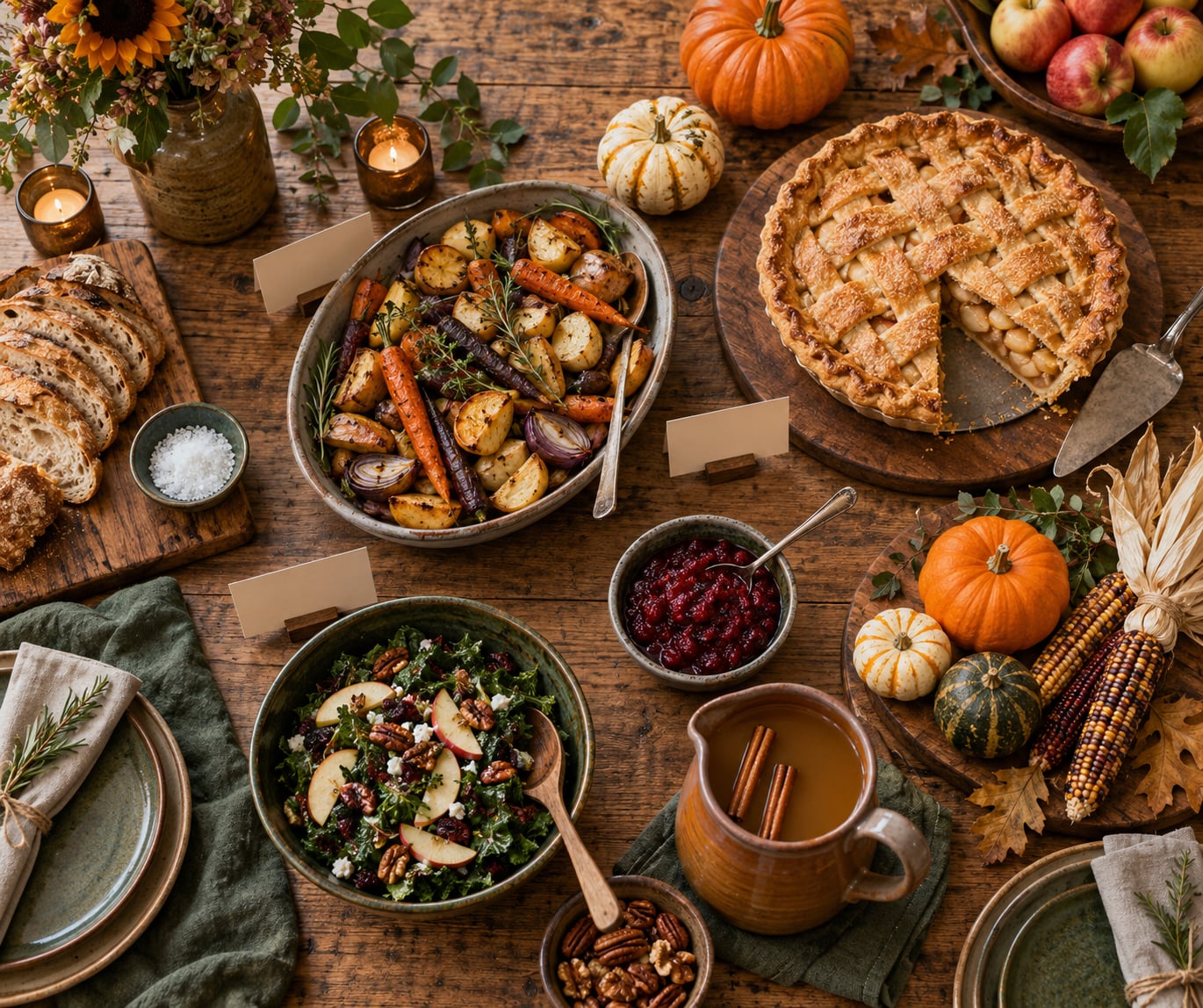
Build one buffet line and let people move through it once. Order matters: plates and napkins at the start, mains and sides in the middle, salads and condiments at the end, desserts and drinks on a separate table so the main line does not stall.
Set the hot dishes together with their fuel, and the cold dishes together over ice. Put a serving spoon in every dish and its own utensil in every dish, so one dish never becomes a shared-utensil problem. A small card in front of each dish with the dish name and its allergens takes under a minute per dish and settles most of the questions before anyone asks.
The atmosphere does more work than most hosts budget for. A burlap runner, a few pumpkins and gourds, dried corn hung on fence boards, and string lights overhead cost very little and make an ordinary folding table look intentional. Add a hot cider station with cinnamon sticks, dried orange slices, and sliced pears in a pot, plus a water and sparkling water jug for anyone not drinking cider.
Give the afternoon something to do beyond eating. A corn shucking contest, a gourd relay, a pie award, and a simple craft table keep kids occupied for an hour and give adults a reason to linger.
7. Finish the gathering and handle leftovers
Run the day on a short schedule so you are not doing the logistics while cooking. Set up the tables ninety minutes before the start, check in dishes and take temperatures as they arrive, put out the cider station first so guests settle in, then plate food fifteen minutes before you expect anyone to sit down.
Check the hot box and the ice bins about forty minutes in and again at the halfway point. Refill before a dish runs out rather than after, and keep lids on everything the moment serving slows down.
Pack leftovers into shallow food-safe containers and refrigerate within two hours of the event ending. Text the group that containers are available on the buffet table at the end, since most leftovers disappear when you leave them unlabeled. Post any recipe cards you collected in a shared document afterwards; that is the part people mention a year later.
Close out with a short cleanup plan: a bin for trash and a separate one for recycling, a stack of wet wipes near the plates, and one or two people assigned to fold tables and sweep. Volunteers assigned in advance are the difference between a five-minute cleanup and a forty-minute one.
Common Mistakes When You Plan a Harvest Festival Potluck
Three desserts and no main
The fix is structural, not a reminder. Use the category sheet above, put the main dish in the host’s column, and close the sheet a week out. A sign-up sheet that stays open too long collects enthusiasm without collecting food.
Nobody signs up at all
This comes up constantly on community and garden forum threads, and it is usually a communication problem, not an enthusiasm problem. Name two specific people by direct message, keep your own main and drinks covered, and plan a backup dish you can scale up in thirty minutes. Then plan as though only half your sign-ups land.
Forgetting serving utensils
The host supplies plates, cups, napkins, and a full set of serving spoons and tongs. Put that sentence in the invitation. A dish that arrives with no spoon is the one nobody touches all afternoon.
Finding out about allergies on the day
Collect dietary information when people sign up, not at the door. Put an allergen column in the sheet, reserve a slot for a dish without the most common allergens, and give every dish its own utensil and a label card.
Overloading one table
Split the spread across two tables with a clear order: plates first, hot food next, cold food and salads next, desserts and drinks last. Above 40 guests, run two lines and move drinks to their own station.
Leaving food at the wrong temperature
Cold weather makes people think hot dishes can sit out, and they cannot. Keep hot food at 140°F or above, keep cold food at 40°F or below on ice, and apply the two-hour rule without exception.
No rain plan
Name an indoor backup room before invitations go out and tell everyone it exists. If you cannot secure a room, set a decision time in the afternoon, keep a group thread ready, and treat the move as a normal part of the plan rather than a failure.
Letting the decor and logistics take over
Harvest potlucks in church and school communities tend to grow a little more elaborate every year. Pick three decorative elements, buy them once, and store them. Nobody at your table is checking the centerpiece; they are checking whether the food is safe and the chairs are enough.
Frequently Asked Questions
What food works best for a harvest festival?
Serve food that fits the season and survives a buffet line. Strong choices are butternut squash soup, roasted root vegetables with rosemary, apple crisp, a green salad with cider vinaigrette, pulled pork or a baked ham for the main, and a spiced cider station with cinnamon sticks and sliced pears. Ask one guest to bring a gluten-free dish and one to bring a vegetarian main so the table is not all desserts and no one is left out.
What makes a good fall festival?
A good fall festival feels shared and unhurried. Guests contribute something, everyone eats well, and there is something for kids to do. Give people a reason to linger: a warm drink station, one simple seasonal game, a table where guests can write what they are thankful for, and music low enough to talk over. The planning structure does the work so the afternoon itself stays relaxed.
Is there a free online sign-up sheet for potlucks?
Yes. A shared Google Sheets document with one column per food category works for almost any group and costs nothing. Free invitation and sign-up sites such as Evite also include potluck categories, so guests can claim a slot from their phone. Either way, add columns for the dish name and its allergens, and close the sheet one week out so the host knows exactly what is coming.
How much food should I plan per guest for a potluck?
Plan about half a pound of a main dish per guest, then roughly one cup each of a vegetable side, a salad, and a bread or starch. Desserts are lighter, so one modest slice per guest is plenty. Multiply by your headcount, add a ten percent buffer for late arrivals, and remember that guests often cook for their own family members too, not just for you.
How do you keep food safe at an outdoor fall potluck?
Bring hot dishes at 140°F or above in a chafing dish or slow cooker, and hold salads and other cold dishes at 40°F or below over ice. Do not let perishable food sit out longer than two hours, or one hour if the temperature is above 90°F. Pack leftovers in shallow containers and refrigerate them within two hours of the event ending, with lids on as soon as serving slows down.
What should the host provide and what should guests bring?
The host covers what guests rarely think to bring: plates, cups, napkins, serving spoons and tongs, dish labels, a trash and recycling bin, the drinks, and one main dish. Guests fill the food categories on the sign-up sheet. That split is the convention most potluck groups already expect, and stating it plainly in the invitation prevents the scramble for serving spoons at the end of the line.
Conclusion
Start with a single list: your guest count with a ten percent cushion, the date six weeks out, and six menu categories with the main and the drinks marked as yours. Everything else in how to plan a harvest festival potluck hangs off that list. Share the sheet early, close it a week before, and the afternoon takes care of itself.
A harvest festival does not need to be elaborate. It needs a plan, a thermometer, and a table that is not crowded.