Seasonal meal planning means building your weekly menu around the fruits and vegetables at peak harvest where you live, then shopping and cooking them in an order that uses them up before they spoil. Learning how to meal plan around what is in season costs less effort than recipe-first planning, because the menu writes itself once you know what is abundant. Most weeks take about 30 minutes of planning.
The whole method comes down to six moves: check what is in season now, pick two or three anchor ingredients, build several meals from one preparation, keep the plan loose enough for substitutions, shop so delicate items stay fresh, and put the most perishable food on the menu first.
- Find out what is at peak harvest near you right now.
- Choose two or three of those ingredients to anchor the week.
- Cook one versatile base and turn it into three or four meals.
- Plan interchangeable categories so a missing item is not a crisis.
- Shop for sturdy items first and delicate produce last.
- Schedule short-lived produce for the earliest meals of the week.
I have run this way of planning for years, and the honest version is that rigid seven-night plans collapse by Wednesday. Plan five dinners, keep two nights flexible, and the system survives a late work night without you scrapping everything.
Table of Contents
- What You Need
- Step-by-Step: How to Meal Plan Around What Is in Season
- How to meal plan around what is in season locally
- Choose two or three ingredients to anchor the week
- Build meals around one preparation, not separate dishes
- Leave room for substitutions and market surprises
- Shop for delicate items last and use the most perishable food first
- Common Mistakes
- Frequently Asked Questions
- How do I know what is in season in my area?
- What if I cannot find the same seasonal ingredient every week?
- How should I store seasonal produce after shopping?
- Should seasonal meal planning be different in summer or winter?
- How can I use market vegetables without wasting them?
- Can I meal plan around both fresh produce and pantry staples?
- Conclusion
What You Need
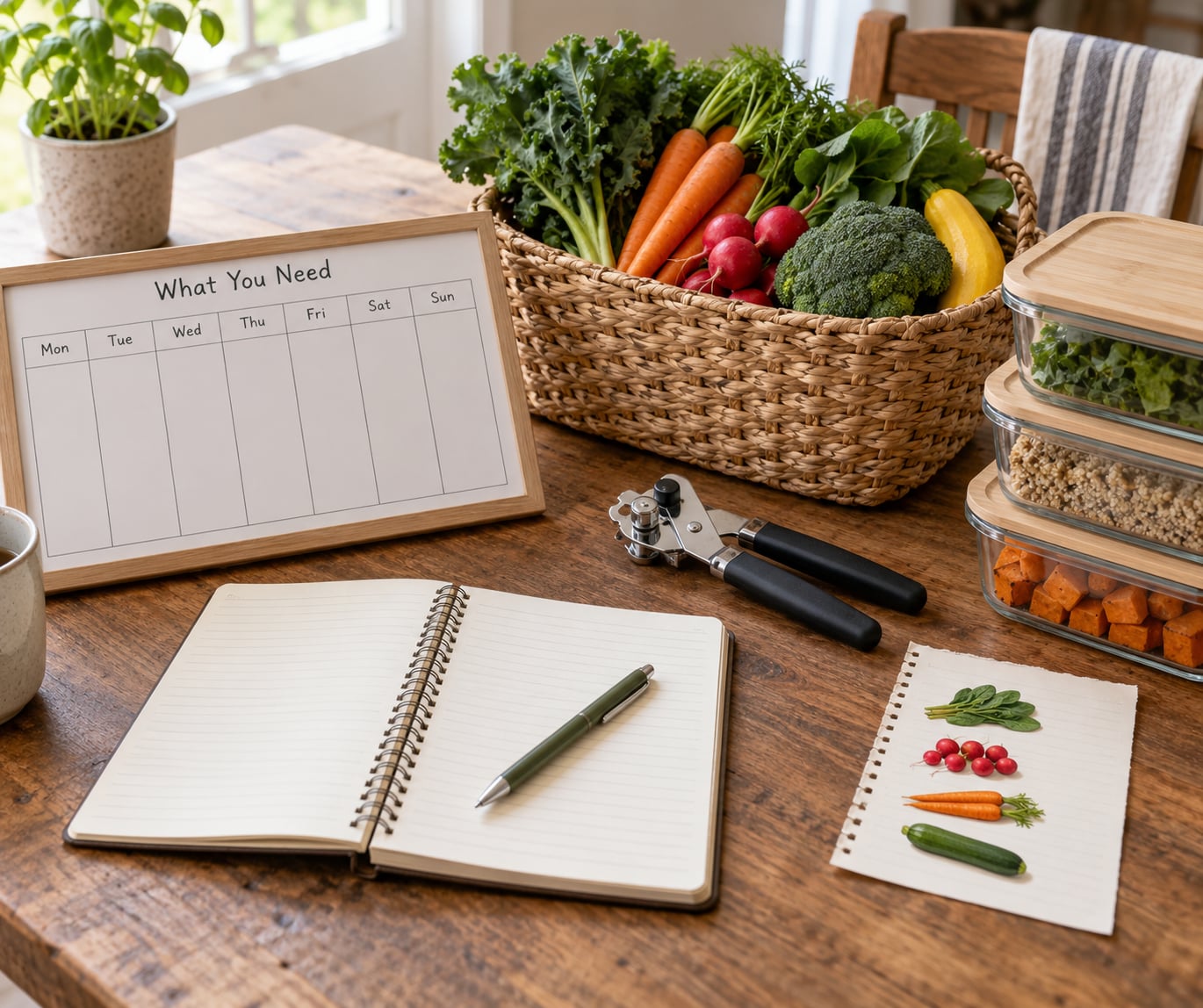
None of this is specialized equipment. It is the small set of things that turns a loose idea into an actual week of meals.
- A seasonal availability reference. A printed chart, a state extension office guide, or a saved page for your region beats a national list, because peak windows shift with your climate. In central New York, tomatoes run late July into September while storage crops like potatoes and squash carry through winter.
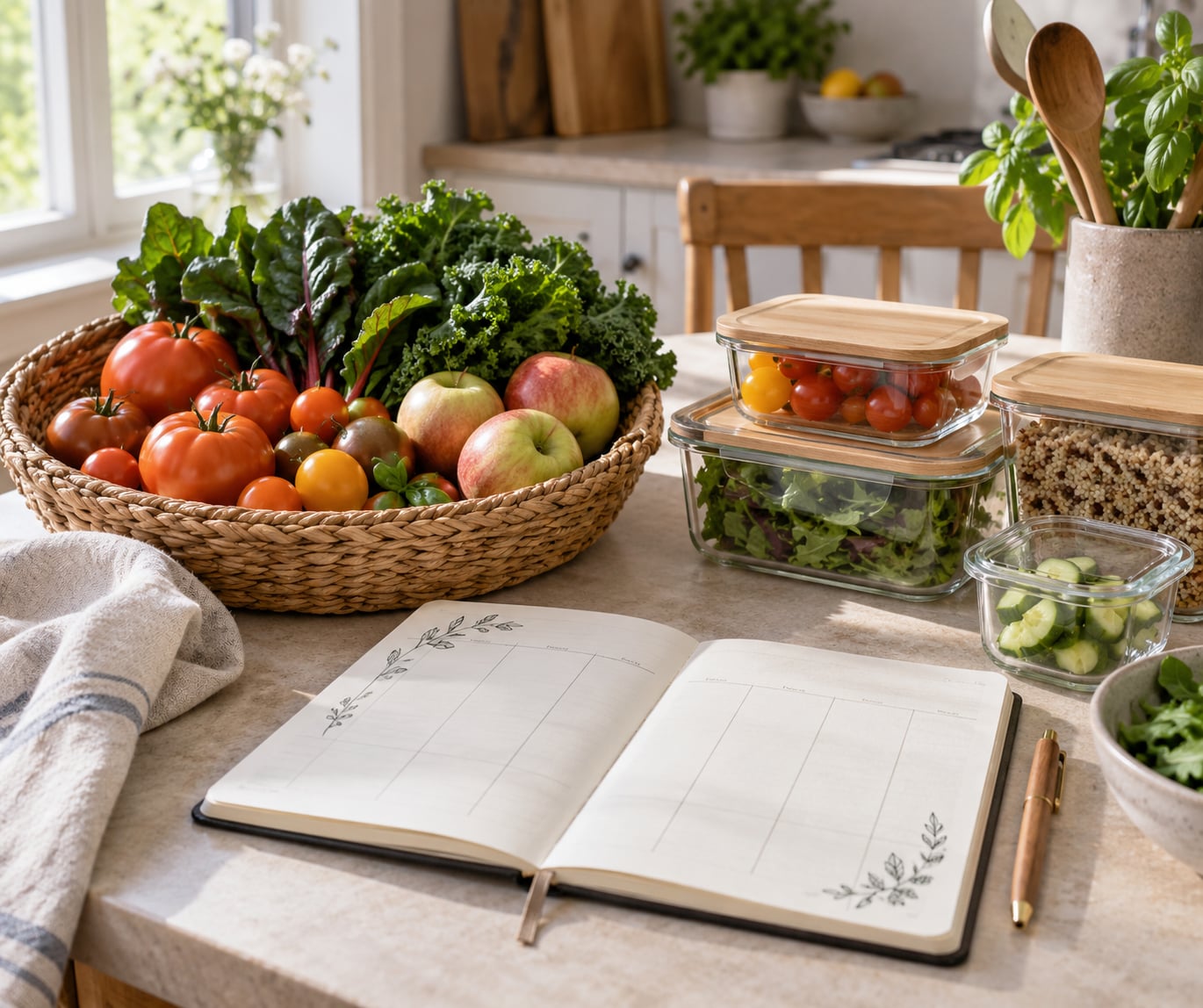
- A weekly calendar you actually look at. Paper on the fridge or a shared phone calendar. The point is to see which nights have 20 minutes and which have none.
- A small bank of flexible recipes. Keep roughly 10 to 15 that you can adapt to whatever you bought, rather than a saved collection of 300 exact-match recipes. A tight rotation is what keeps planning from turning into a chore.
- Storage that keeps produce alive for the week. Glass or plastic containers that seal, a bag or box for greens, and one bag you can air out. Greens washed and sealed wet will turn to slime by day three.
- Access to a market, farm stand, or decent produce aisle. A weekly market visit makes this planning method much easier, because vendors tell you what came in heavy that morning.
Add a notebook or the notes app on your phone. The single most useful thing I have written down is not a recipe but a running substitution list: what replaced what when an item was missing.
Step-by-Step: How to Meal Plan Around What Is in Season
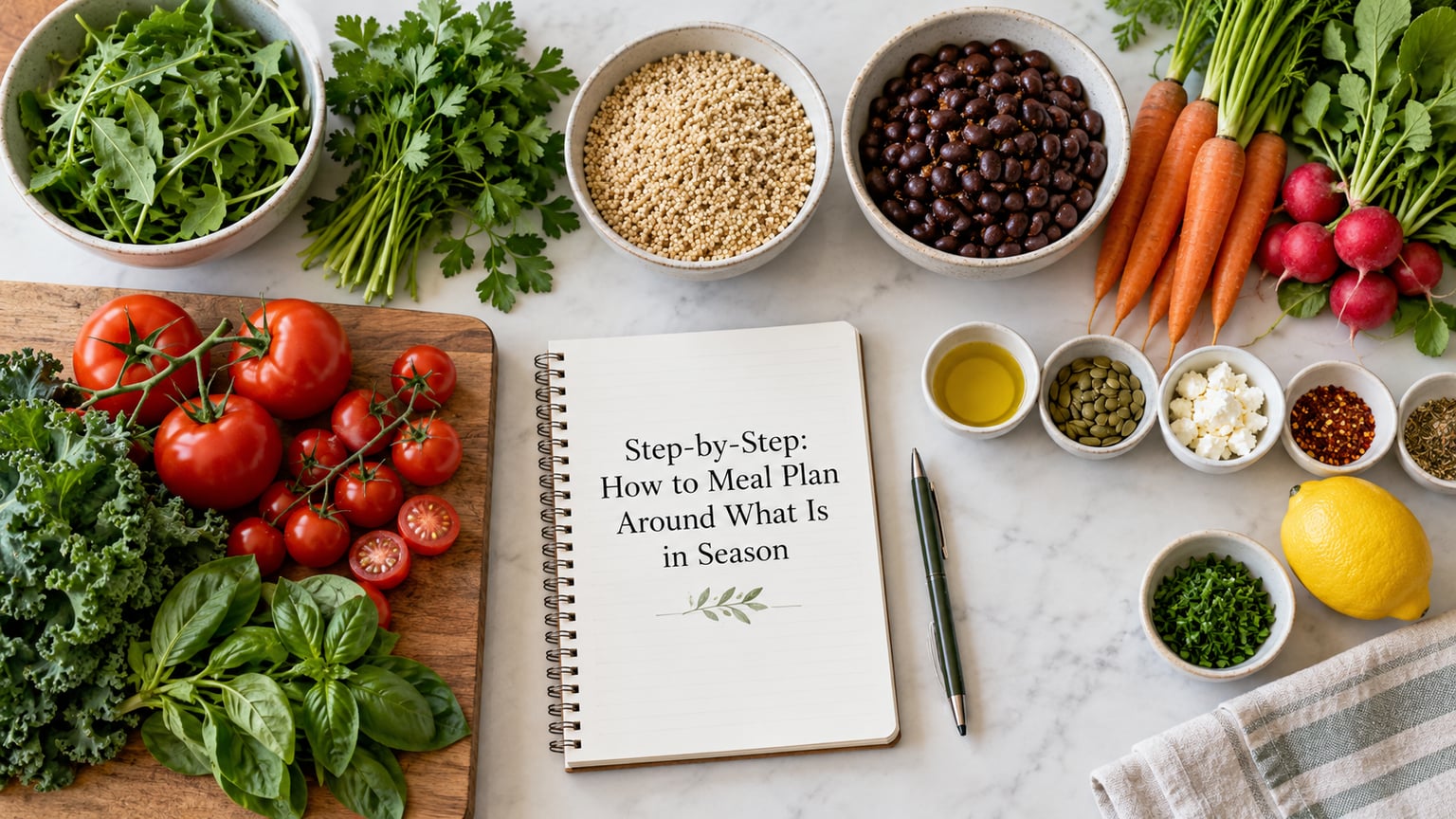
How to meal plan around what is in season locally
The biggest mistake is planning from a national calendar when you have a local one. Availability is specific enough that two towns 60 miles apart can be weeks apart on the same crop.
Four things tell you what is genuinely in season where you are:
- Market vendor signs and conversations. Prices that drop hard on a crop usually mean it is coming in heavy. Ask what is best right now rather than what you planned to buy.
- Grocery store abundance. When a produce item occupies a full display and gets promoted, it is at peak. Small sad trays in November are the opposite signal.
- Regional extension office calendars. University extension services publish planting and harvest charts by region and month. These are the most reliable free source.
- Your own fridge and freezer. Before any shopping, look at what you already have that needs eating. Planning that ignores a bag of spinach wilting in the crisper is not really a plan.
Distinguish peak season from mere availability. Frozen peas are available every month of the year and taste fine. A tomato in February tastes like a lamp. Aim your planning at the peak window, and treat out-of-season grocery items as pantry backup, not as the menu’s backbone.
Choose two or three ingredients to anchor the week
Pick your anchors by abundance, not by appetite alone. Learning how to meal plan around what is in season really starts with what is cheap and plentiful this week, not with what sounds appealing on a recipe site. A market overflowing with zucchini is telling you that zucchini will be plentiful and worth planning around, even if you have eaten a lot of it already.
Score candidates quickly on four things:
- Abundance: Is it everywhere at the market or just one stall?
- Price signal: Is it noticeably cheaper than the same item in the grocery aisle?
- Household fit: Will everyone at your table actually eat it, and can you work around the one person who will not?
- Time cost: A crop that needs 45 minutes of prep on a Tuesday is a bad anchor for a week with two late nights.
Two or three anchors is enough. Four or more turns into a shopping list with no clear purpose, and you end up with a fridge full of raw vegetables and no idea what dinner is.
A quick example: in early autumn, anchors might be apples, tomatoes, and sweet corn, with kale as the supporting green. Every meal that week uses at least one of them, which is what makes the grocery list short and the meals feel connected.
Build meals around one preparation, not separate dishes
This is where most seasonal plans succeed or fail. Planning five unrelated seasonal dinners means five sets of prep and five leftover vegetables nobody wants.
Instead, cook one large batch of something versatile and reassemble it. A tray of roasted vegetables becomes three meals when you add different proteins and sauces across the week. Cooked beans become a bowl, a soup, and a side. A pot of grains goes into salads, fried rice, and grain bowls. Grilled or roasted chicken thighs become a plate, a salad topper, and soup filler.
Lean on a sauce you can make in five minutes and change with what is fresh. A vinaigrette, a yogurt-herb dressing, or a salsa built from peak tomatoes can carry three completely different meals built on the same base.
Batch cooking does not mean cooking all week on Sunday. It means cooking one thing slightly more than you need and using it twice or three times. Weekend cooks often do one big roast or pot of beans and add fresh, fast meals around it on weeknights.
Leave room for substitutions and market surprises
A plan with no flexibility fails the first time a vendor is out of something. Treat the plan as a set of categories instead of a fixed list of dishes.
Interchangeable categories work well: a roasted vegetable, a sturdy root, a tender green, a fresh herb, a citrus or vinegar, a protein, and a grain. If the tomatoes are gone, the roasted vegetable slot takes broccoli or squash with no change to the method.
| Recipe calls for | Use instead when it is unavailable |
|---|---|
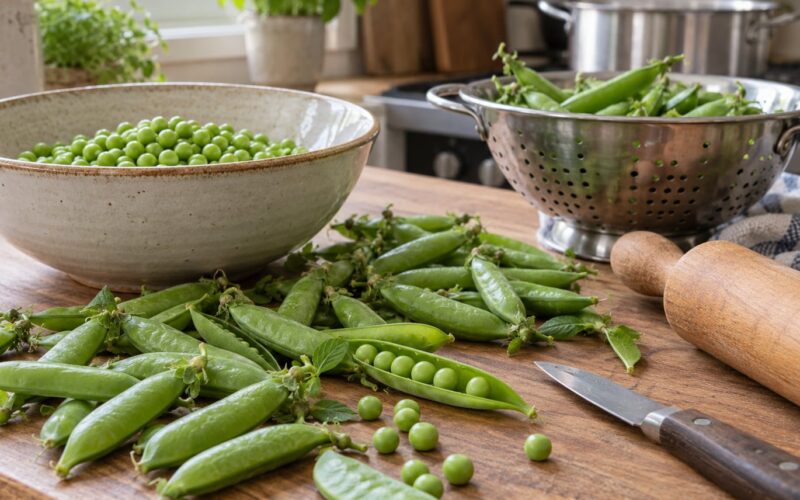
| Asparagus | Green beans, snap peas, or zucchini ribbons |
| Fresh tomatoes | Roasted red peppers, or canned plum tomatoes drained |
| Fresh basil | Parsley, chives, or a spoon of pesto from the freezer |
| Peaches or apricots | Apples, pears, or frozen berries |
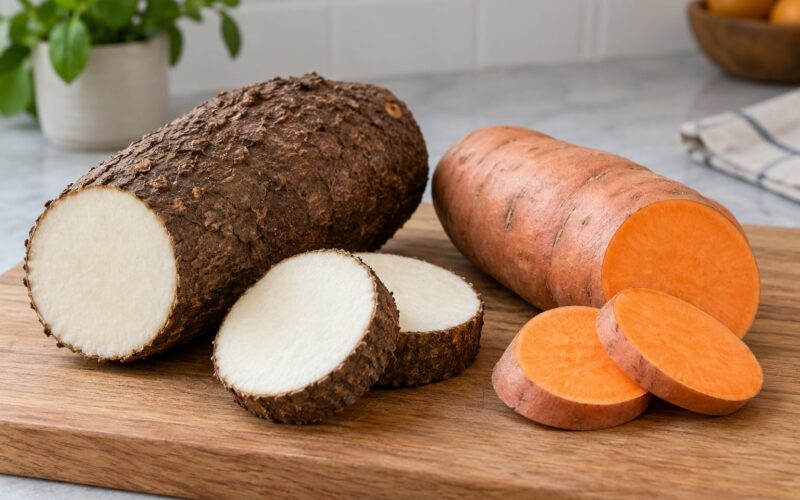
| Winter squash | Sweet potato, carrot, or rutabaga |
| Fresh corn | Frozen kernels, or a can drained and rinsed |
Try to plan one or two new recipes a week rather than five. Most people who keep a seasonal plan cap their own to-try list, because going slower is what stops the plan from turning into a backlog of recipes you never cook.
Shop for delicate items last and use the most perishable food first
Storage is where a seasonal plan either holds or collapses. A few habits do most of the work.
- Do not wash produce before storing it. Moisture sitting on the surface speeds decay. Wash right before you use it.
- Remove rubber bands, twist ties, and any wrapped leaves from greens and root vegetables. They trap moisture against the skin.
- Keep ethylene producers like apples, bananas, pears, and tomatoes away from leafy greens, broccoli, and carrots. Ethylene gas makes greens yellow and limp fast.
- Do not seal vegetables that need to breathe, like broccoli and leafy greens, in an airtight container. A paper bag or a container with a loose lid lets moisture out.
- Store herbs by standing their stems in a jar of water in the fridge, covered loosely with a bag.
| Produce | Where it keeps best | Rough time it holds |
|---|---|---|
| Leafy greens and herbs | Fridge crisper, dry, loosely covered | 3 to 5 days |
| Berries | Fridge, unwashed, in a shallow container | 2 to 4 days |
| Tomatoes | Counter, stem side down, out of direct sun | 3 to 7 days |
| Root vegetables | Fridge crisper or cool pantry, out of light | 2 to 4 weeks |
| Winter squash | Cool pantry or basement, well ventilated | 1 to 3 months |
| Potatoes and onions | Pantry, dark and dry, not together | Several weeks |
| Apples | Fridge for weeks, or cool pantry | 2 to 6 weeks |
Then sequence the menu by perishability. Put berries, greens, and summer squash in the first two days of the week. Hold sturdy roots, squash, and apples for later meals. That single ordering decision removes most of the waste that makes people say seasonal planning is too much work.
Preserve the surplus at peak, when flavor is highest. Most vegetables need blanching for 3 minutes in boiling water, a quick ice bath, then drying well before freezing. Berries, onions, peppers, and herbs freeze raw without blanching. Tomatoes roast and freeze well. Corn kernels freeze straight from blanching. Freezing works best for ingredients used within a few months, so label containers with the month and the vegetable.
Pickling and canning extend the same idea over months, and drying works for herbs, tomatoes, and peppers. Follow a tested recipe from a current extension service or the USDA, and use tested canning jars rather than recycled ones, because sealing failures are a safety issue rather than a quality one.
Common Mistakes
Planning around produce you will not eat. Picky eaters are a real limit. Roast vegetables with strong flavor, blend them into sauces and soups, and let the flexible categories absorb the rest instead of forcing a vegetable the household refuses.
Shopping before planning. Walking the market with no idea what you need is how a good haul turns into spoiled produce. The reverse workflow works too: shop first, then write the menu around what you brought home. Whichever order you use, stick to one of them for a month before judging.
Trying to plan all seven dinners. Life interrupts. Cap the plan at five and leave two nights for pantry meals or leftovers. That single limit does more for consistency than any fancier system.
Buying peak produce in bulk with no preservation plan. Bulk buying is only smart if you freeze, pickle, or cook the surplus that week. Buy in bulk only after you have the second and third use identified.
Ignoring what is already in the fridge. An inventory pass takes two minutes and usually reveals the ingredient that should be tonight’s dinner.
Using a national calendar as if it were local. Regional charts and market signage are more accurate, and they keep the guide useful as your region moves through its season.
Treating seasonal cooking as a test. Nobody eats in season perfectly every day. Pantry staples, frozen vegetables, and store produce still belong in the plan. Seasonal planning is a way to tilt your habits, not a rule you pass or fail.
Frequently Asked Questions
How do I know what is in season in my area?
Check three sources together: market vendor signs and stall conversations, the abundance of items in your grocery produce aisle, and a harvest chart published by your state or regional extension service. Prices that drop sharply on a crop usually mean it is arriving in heavy supply. Because peak windows shift with climate, a local guide beats a national one by a few weeks.
What if I cannot find the same seasonal ingredient every week?
Plan by category instead of by exact item, so a missing ingredient does not break the week. If a recipe calls for asparagus and only green beans are available, keep the method and swap the vegetable. Keep a written substitution list in your notes and add to it each week, since those swaps become your fastest answers later.
How should I store seasonal produce after shopping?
Do not wash produce before storing it, and remove rubber bands or twist ties from greens and roots. Keep ethylene producers such as apples, bananas, and tomatoes away from leafy greens and broccoli. Store herbs standing in water, leafy greens dry and loosely covered, and winter squash and onions in a cool, ventilated pantry.
Should seasonal meal planning be different in summer or winter?
Yes. Summer planning leans on speed: assemble salads and grilled meals, eat delicate produce within a day or two of shopping, and avoid cooking that heats up the kitchen. Winter planning leans on storage crops, roots, squash, and cabbage, which keep for weeks, plus beans and grains you can cook in one batch and freeze.
How can I use market vegetables without wasting them?
Sequence your menu by shelf life, putting berries, greens, and summer squash in the first two days and sturdy roots and squash in the later meals. Cook one versatile batch, such as roasted vegetables or beans, and turn it into three meals. Blanch and freeze any surplus while it is at peak flavor.
Can I meal plan around both fresh produce and pantry staples?
That combination is the most workable one. Let a few seasonal ingredients define each meal, then build the rest of the plate from pantry staples like grains, beans, canned tomatoes, olive oil, vinegar, and nuts. It keeps the plan flexible, shortens the shopping list, and covers the nights when your planned dinner does not happen.
Conclusion
Seasonal planning works when the menu follows the produce instead of the other way around. How to meal plan around what is in season comes down to four decisions: what is abundant near you, which two or three ingredients anchor the week, what single batch you cook once, and the order you shop and eat in.
Start with one step this week: check what your market or produce aisle has in heavy supply, choose two of those ingredients, and put the most perishable one on the earliest meal. Add the rest of the system once that feels easy.