Seasoning greens without pork comes down to five things: fat, acid, chile heat, salt, and a savory background note that stands in for the smoke a ham hock used to bring. Build those layers per pound of greens and braise or saute as usual, and the pot tastes like the traditional version rather than boiled leaves. Most of the work takes about 45 minutes.
The mistake people make is assuming they need to replace the meat itself. You do not. What a smoked ham hock actually contributes to a pot of greens is rendered fat, salt, glutamates and smoke, and each of those has a pantry stand-in you probably already own. Vinegar does more of the balancing than anything else, and it goes in at the very end.
Table of Contents
- How to Season Greens Without Pork: The Five-Part Formula
- How to season greens without pork, in five parts
- What You Need
- Step-by-Step
- Step 1: Choose a Flavor Base
- Step 2: Prepare the Greens
- Step 3: Build the Seasoning
- Step 4: Cook and Finish
- Common Mistakes
- Frequently Asked Questions
- How to flavor greens without meat?
- What is the best seasoning to put in greens?
- What meat can you use to season greens?
- How much vinegar goes in collard greens?
- Do you salt greens before or after cooking?
- How do collard greens affect bowel movements?
- Conclusion
How to Season Greens Without Pork: The Five-Part Formula
Here is the whole method in one line: for every pound of greens, use 1 tablespoon of fat, 2 tablespoons of acid, 1 teaspoon of chile heat, salt to taste, and 1 to 2 teaspoons of a savory or smoky seasoning. Adjust the fat for leafy vegetables and the acid for sturdy ones, and you have answered how to season greens without pork for any green in your basket.
How to season greens without pork, in five parts
- Fat. One tablespoon per pound: olive oil for a clean base, avocado oil for a high-heat sear, or butter for a nuttier, richer finish. Butter browns best in a skillet; oil holds up to a long simmer.
- Acid. Two tablespoons per pound, added after cooking: apple cider vinegar for a round tang, white or rice vinegar for a cleaner edge, lemon juice for brightness. Vinegar is the ingredient people overcorrect on, so start at one tablespoon and taste.
- Heat. One teaspoon of red pepper flakes, or a pinch of cayenne, or a few drops of hot sauce. Chile heat also dulls bitterness in mustard greens and turnip tops.
- Salt. Add it near the end. A ham hock seasons the liquid as it cooks, but plain broth does not, and greens concentrate everything as liquid reduces. Salt late and you control it.
- Savory depth or smoke. One to two teaspoons: smoked paprika, chipotle powder, a few drops of liquid smoke, tomato paste, miso, nutritional yeast, or dried shiitake.
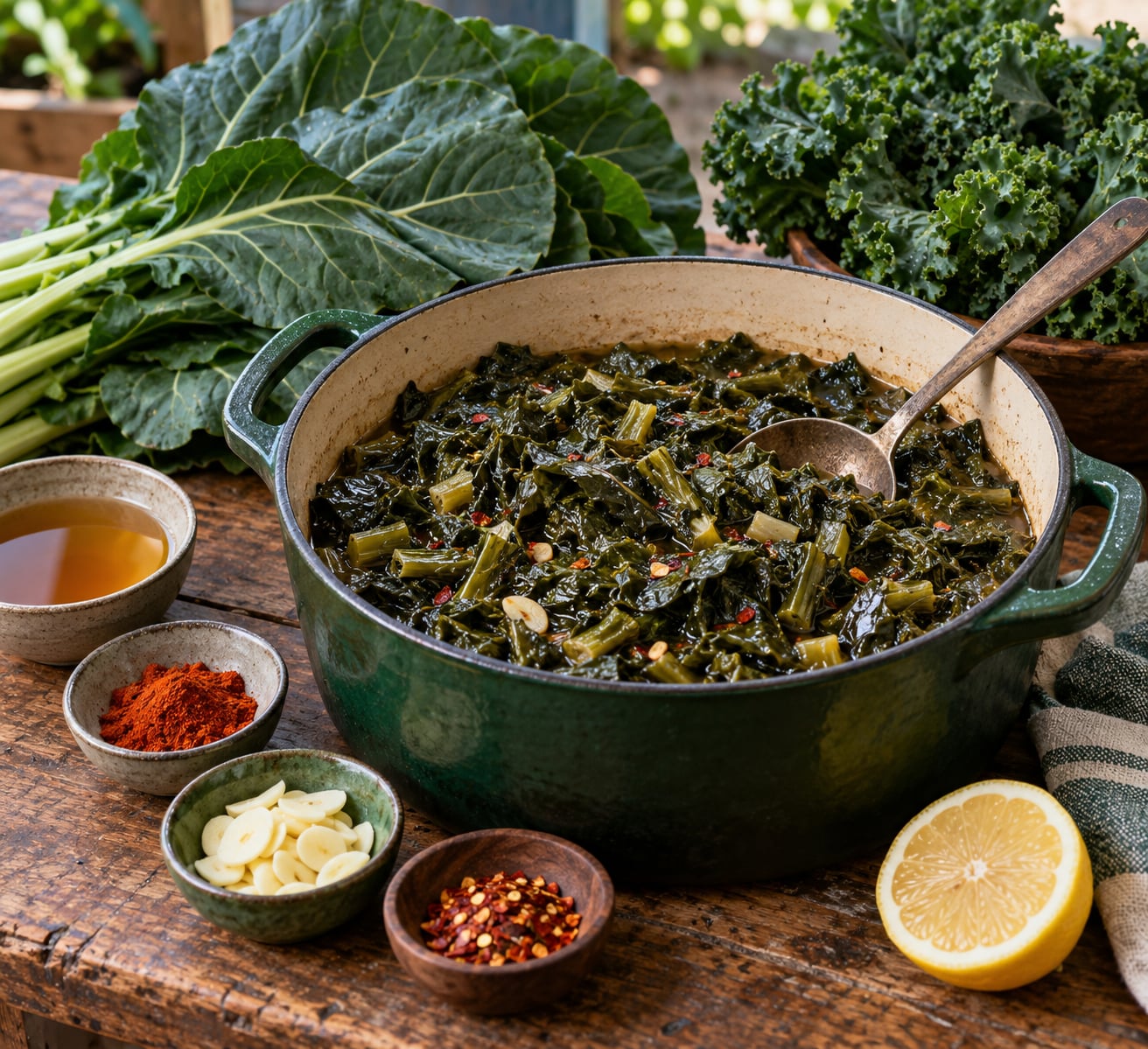
A working base recipe for one pound of chopped collards: 1 tablespoon olive oil, 1 sliced yellow onion, 4 garlic cloves, 1 teaspoon red pepper flakes, 2 cups low-sodium chicken or vegetable broth, 1 teaspoon smoked paprika, 1 tablespoon apple cider vinegar at the end, and salt after tasting.
| What the pork version uses | Pork-free replacement | Flavor role it plays | Amount per pound of greens |
|---|---|---|---|
| Ham hock or smoked pork fat | Olive oil, avocado oil or butter | Richness, carries flavor, stops greens tasting grassy | 1 tablespoon |
| Salt from the meat | Salt added near the end | Seasoning without the risk of oversalting as liquid reduces | To taste, usually 1/2 to 1 teaspoon |
| Smoke from cured pork | Smoked paprika or chipotle powder | Wood-fired background note | 1 to 2 teaspoons |
| Deeper smoke | Liquid smoke | Concentrated smoke, use sparingly | 1/4 teaspoon or a few drops |
| Glutamates from meat | Miso, tomato paste, mushroom powder, nutritional yeast | Umami, the savory weight that reads as meatiness | 1 tablespoon miso or 1 teaspoon tomato paste |
| Bones and meat drippings | Low-sodium chicken broth, vegetable broth, or water with a bouillon cube | Cooking liquid that flavors the pot likker | 1 to 2 cups |
| Pork for a meatless cook | Smoked paprika plus a pinch of asafoetida | Asafoetida mimics the sulfurous note of cooked onion and pork fat in small doses | Pinch, under 1/8 teaspoon |
| Sugar to balance sharpness | Honey, maple syrup or a pinch of sugar | Softens vinegar so the pot tastes rounded rather than sour | 1 teaspoon, optional |
What You Need
None of this requires a specialty store. A head of collards, a jar of red pepper flakes, a bottle of apple cider vinegar and a tin of smoked paprika covers most of it, and every item has a substitute already in your cupboard.
- Greens. Collards are the classic, but kale, turnip greens, mustard greens and Swiss chard all take the same formula. See the cook times below.
- Fat. Olive oil, avocado oil, butter or a combination. About one tablespoon per pound.
- Acid. Apple cider vinegar, white vinegar, rice vinegar, red wine vinegar or lemon juice. Have two kinds on hand and you can cover bright and tangy profiles.
- Aromatics. Yellow onion, garlic, and a little ginger or shallot if you like.
- Heat. Crushed red pepper flakes, cayenne, black pepper, hot sauce.
- Umami or smoke. Smoked paprika, chipotle powder, tomato paste, miso, dried shiitake, liquid smoke, nutritional yeast.
- Liquid. Low-sodium chicken broth for a vegetarian build, vegetable broth for vegan, or water plus a bouillon cube.
- Tools. A heavy pot with a lid, a sharp knife, and a salad spinner or clean towel for drying.
Three paths, depending on what you eat:
- Vegetarian. Use chicken broth and butter freely. This is the closest match to a smoked-meat pot because the broth carries both salt and fat.
- Pescatarian. The same build, plus a fillet of firm white fish added in the last 10 minutes, or an anchovy or two dissolved into the braising liquid for depth nobody will be able to identify.
- Fully vegan. Use olive or avocado oil instead of butter, vegetable broth instead of chicken, and lean harder on miso, tomato paste, nutritional yeast and smoked paprika to supply the savory weight. A teaspoon of sugar or maple syrup softens the vinegar’s sharpness, which helps because there is no butter to round the mouthfeel.
Step-by-Step
Step 1: Choose a Flavor Base
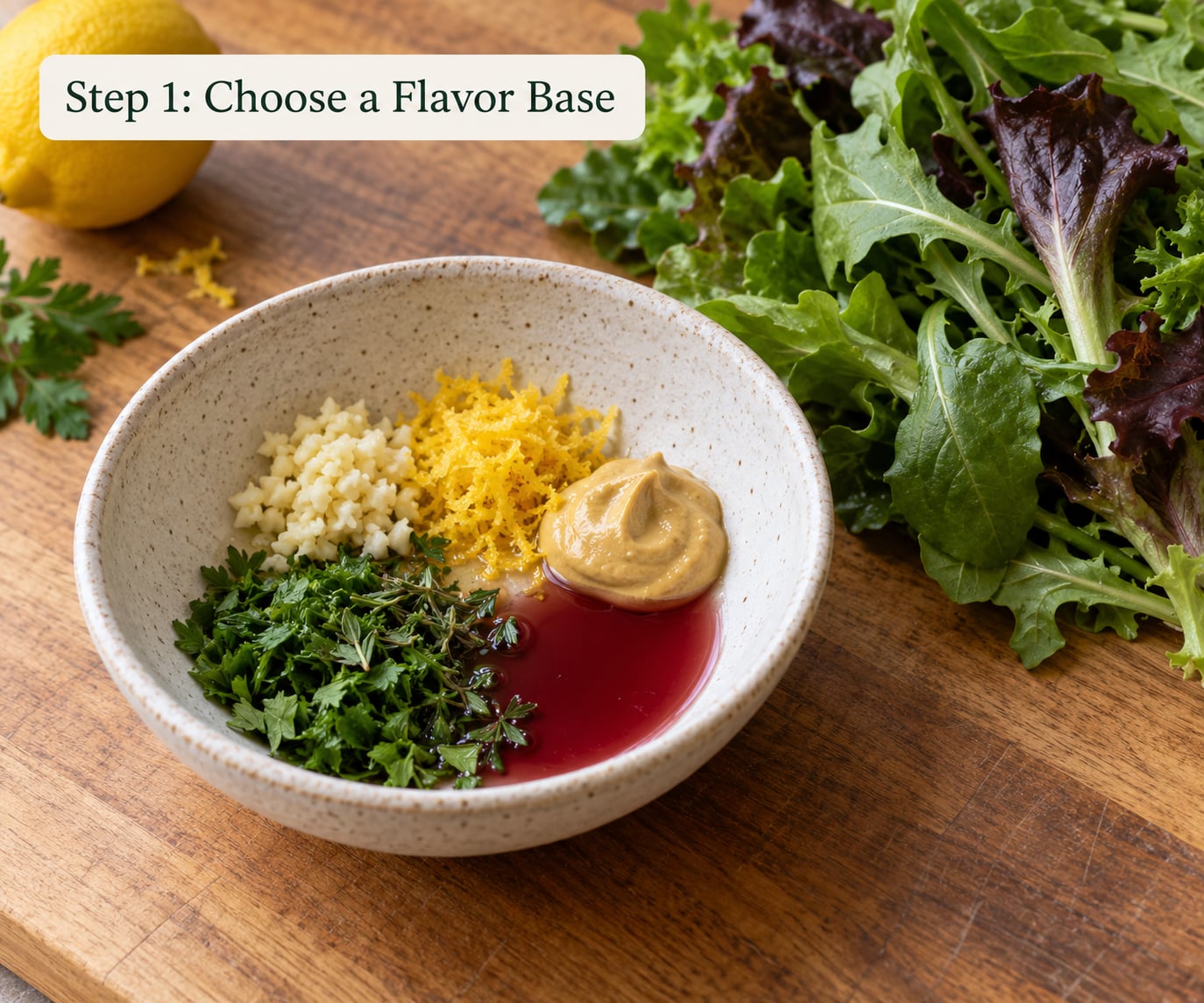
Pick one direction before you touch the greens, then stay with it. A flavor base is the fat plus aromatics plus spice that everything else sits on top of.
- Mild and savory. Onion, garlic, butter or olive oil, a little black pepper, chicken broth. The safest starting point, and the one that suits a first-time cook.
- Bright. Olive oil, garlic, lemon zest and juice, a small spoon of Dijon, black pepper, and a squeeze of the lemon added at the very end.
- Smoky. Olive oil, smoked paprika or a chipotle, a sliced onion cooked until it browns at the edges, and a few drops of liquid smoke in the final minute.
- Tangy. Garlic and onion cooked in oil, red pepper flakes, then apple cider vinegar stirred in off the heat. A teaspoon of honey keeps it from tipping into sour.
Most Southern-style cooking reaches for the tangy profile, which is exactly why it does not need pork. Vinegar, not meat, is the defining flavor of a pot of well-seasoned greens.
Step 2: Prepare the Greens
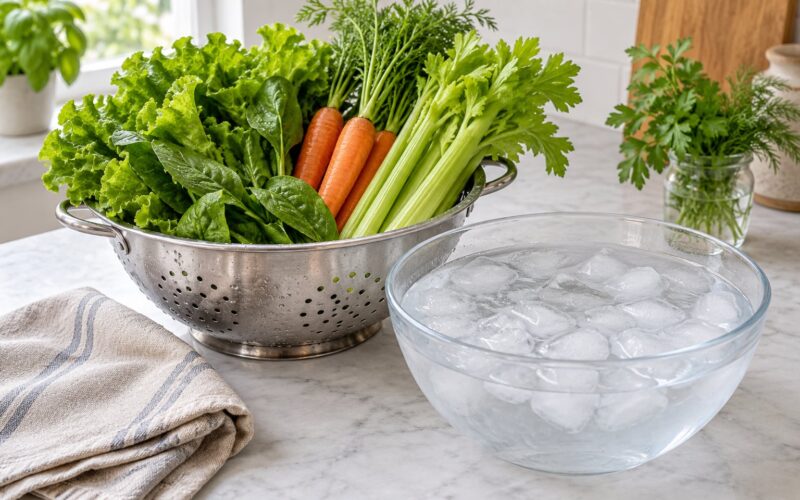
Wash the greens in a sink or bowl of cold water, swishing each handful around, then lift them out and repeat until the water runs mostly clear. Sand settles at the bottom of the basin, so never just pour the greens through a colander under the tap. If your greens came from a market and still feel gritty, soak the whole bunch for 20 minutes in cold water.
Strip the leaves from the stems. On collards and kale, hold the base of the stem and pull the leaf away from the bottom up, which keeps the tender part of the rib and leaves the tough woody stalk behind. Slice those stalks thin and add them to the pot early, since they need more cooking than the leaves do. Cut everything into ribbons roughly two inches long so the pieces cook at the same rate.
Dry them thoroughly. Water sitting in the leaves means the greens steam in their own moisture instead of sauteing, the oil will not cling, and the sauce turns thin and watery. A salad spinner is the fastest tool; a clean towel rolled through the pile and pressed hard works nearly as well.
Step 3: Build the Seasoning
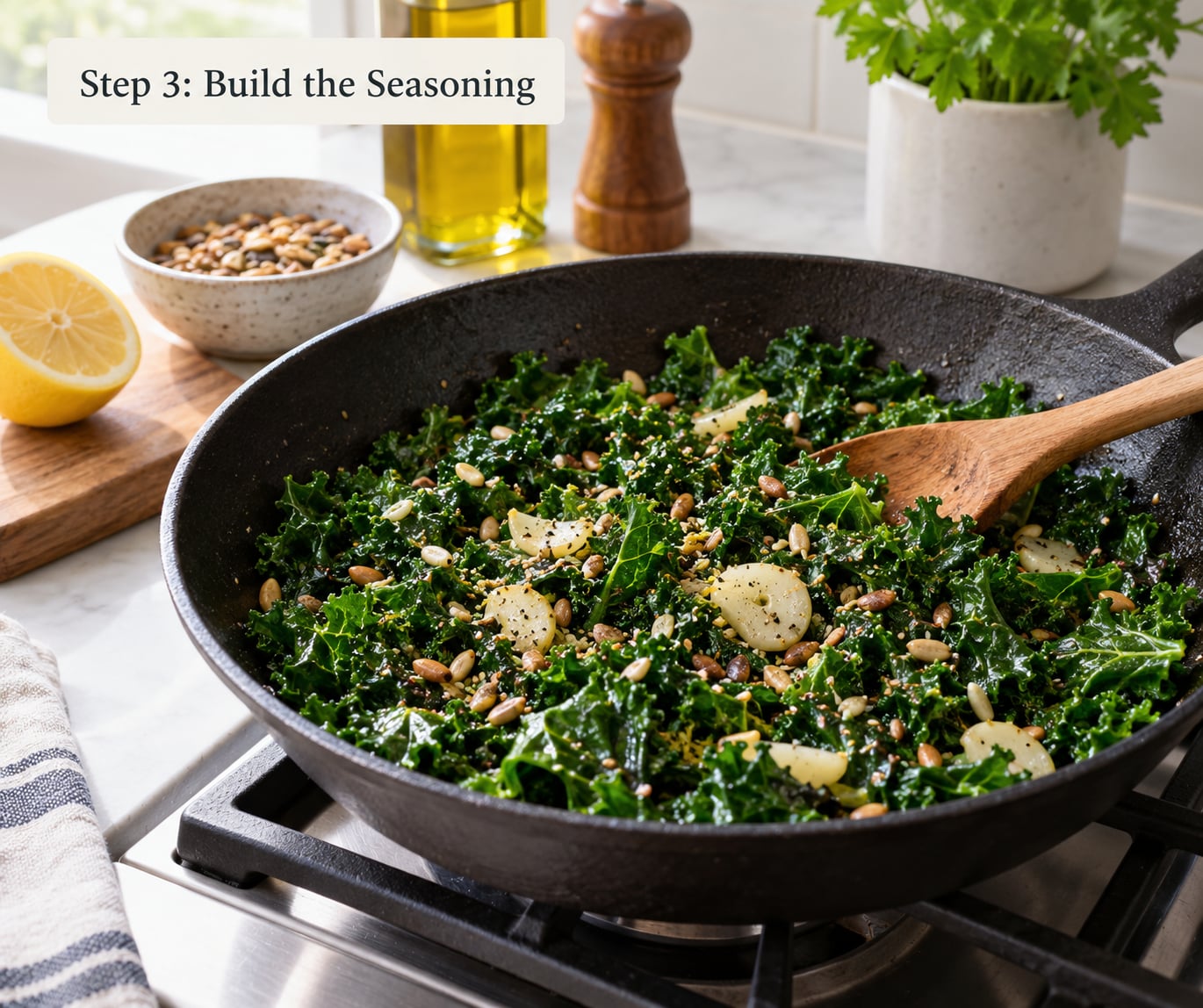
Heat the fat in a heavy pot over medium heat. Add sliced onion and any stalk pieces and cook 5 to 7 minutes until soft and translucent, letting the edges pick up a little color if you have the patience for it. Caramelized onion is the shortcut most home cooks miss: it delivers a rounded sweetness in ten minutes that would otherwise take an hour.
Add garlic, pepper flakes and your smoked paprika, chipotle or spice mix, and stir for 30 to 60 seconds until fragrant. Add miso or tomato paste at this point if you are using them, and stir until the paste darkens and sticks a little to the pot. Pour in the broth or water, bring it to a bare simmer, and only then add the greens.
A simple ratio to keep in your head: 1 pound of greens to about 1 cup of liquid if you want them braised soft and spoon-cooked, or 1/2 cup if you want them sauteed and just wilted. Press them down, let the liquid come back up, and repeat. Skip the salt entirely at this stage.
Step 4: Cook and Finish
Cover, drop the heat to low, and simmer without boiling. Boiling is what makes greens turn gray and muddy, and it drives off the fresh top note you paid for at the market. Stir every 10 minutes or so, and add a splash of hot water if the pot looks dry before the greens have wilted down.
| Green | Covered simmer time | Notes |
|---|---|---|
| Collards | 45 to 60 minutes | Sturdy; the classic choice for a long braise |
| Turnip greens | 40 to 50 minutes | Slightly sweet, mild, turns silky |
| Mustard greens | 30 to 40 minutes | Hotter and sharper; add an extra teaspoon of honey or vinegar |
| Kale | 20 to 30 minutes | Curly varieties go soft fast; lacinato holds up longer |
| Swiss chard | 10 to 15 minutes | Stems can go in at the start, leaves at the end |
| Spinach or beet greens | 5 to 10 minutes | Sauté or steam; do not braise long |
Roasting and massaging are the two fast alternatives. Toss the dried greens and a tablespoon of oil in a hot pan and let them hit the heat in one layer, then stir every 90 seconds, which gives you browned edges in about eight minutes. Massage works for raw leaves: 30 seconds of firm kneading with a pinch of salt and a squeeze of lemon makes kale and chard tender enough to eat uncooked.
Finish in this order, tasting between each step:
- Salt. Add a pinch, stir, taste, repeat. Greens concentrate seasoning as they cook down, which is why salting at the start is the single most common error.
- Acid. Stir in one tablespoon of vinegar off the heat, taste, and add more if it tastes flat rather than sour. Off the heat is right: boiling for a long time flattens the aroma.
- Heat. More red pepper flakes or a few drops of hot sauce.
- Fat. A final drizzle of olive oil if the greens seem dry and matte.
Garnish with something sharp: hot sauce, a spoonful of chow chow, diced raw onion, lemon zest, or toasted sesame seeds if you are working with chard or kale. Save the pot likker, the liquid left in the bottom, in a jar in the fridge for up to four days. It is the best part of the pot, good over cornbread, rice or black-eyed peas, and the reason greens show up on New Year’s Day tables.
Common Mistakes
Using too much oil. A tablespoon per pound is plenty, because the greens release their own water as they cook and too much fat makes the finished dish slick. Measure it instead of pouring from the bottle.
Skipping the dry step. Wet greens steam. If you are about to saute and the leaves still feel damp, give them another few minutes in the spinner.
Overcrowding the pot. Two pounds of greens packed into a small pot drop the temperature, release water and turn to mush. Cook in batches instead, or use a wider pot than you think you need.
Adding delicate herbs too early. Fresh parsley, cilantro and chives lose everything in a long simmer. Stir them in at the end, off the heat. Dried herbs and spices survive the heat fine.
Salting at the beginning. The liquid reduces as the greens cook, so early salt concentrates with it and the pot ends up aggressively salty, especially when broth has already been salted. Hold the salt and season at the end.
Forgetting to taste. Seasoning greens without pork means tasting more often than you would with a ham hock doing the work. Taste the liquid before the greens go in, taste the greens at the halfway mark, and taste again after the vinegar goes in.
Two smaller things worth knowing. Liquid smoke is a flavoring, not a smoke source, so more than a quarter teaspoon turns a pot bitter. And asafoetida is powerful in the onion-and-garlic direction that meat usually provides; a pinch is plenty, and more is genuinely unpleasant.
Frequently Asked Questions
How to flavor greens without meat?
Flavor greens without meat by building five layers per pound: one tablespoon of fat, two tablespoons of acid, one teaspoon of chile heat, salt added near the end, and one to two teaspoons of a savory seasoning such as smoked paprika, miso or tomato paste. Braise the greens in broth until tender, then add vinegar off the heat. The acid and the fat do most of the work that meat used to do.
What is the best seasoning to put in greens?
The best seasoning for greens is red pepper flakes plus apple cider vinegar, with garlic and smoked paprika as the base. Start with one teaspoon of red pepper flakes and one tablespoon of vinegar per pound, taste, then adjust. Add salt only near the end, because the liquid reduces as the greens cook and concentrates everything you put in early. A teaspoon of honey softens the vinegar if it reads too sharp.
What meat can you use to season greens?
Smoked turkey neck or tail is the closest one-for-one swap for a ham hock, and it is pork-free. It is not the only option: smoked fish or a firm white fillet added late, salted anchovies dissolved into the braising liquid, or even bacon from a pork-free grocer all work. If you want smoke without any meat at all, use one to two teaspoons of smoked paprika or a chipotle powder instead.
How much vinegar goes in collard greens?
Start with one tablespoon of apple cider vinegar per pound of collards and go up from there. Most people find two tablespoons per pound about right, added off the heat so the aroma survives. If the pot tastes sharp rather than tangy, you added too much acid and not enough salt. If it tastes flat, it wants more vinegar, not more oil.
Do you salt greens before or after cooking?
Salt greens near the end of cooking, after the liquid has reduced and right before you add the vinegar. A ham hock seasons a pot gradually as it cooks, but plain broth does not, so greens salted at the start end up far saltier than you expect as the liquid concentrates. If you must salt early, use less than you think and use low-sodium broth.
How do collard greens affect bowel movements?
Collard greens are high in fiber, especially insoluble fiber, so a large serving can increase bowel movements and cause gas or cramping for a day or two. This usually eases as your gut adjusts to the amount. Cooking the greens breaks down some of that fiber and usually softens the effect. Anyone with a diagnosed bowel condition should ask their doctor or a registered dietitian before changing what they eat regularly.
Conclusion
Start by picking your vegetable and deciding which flavor base you want: mild and savory, bright, smoky, or tangy. Then measure fat, acid, heat and savory seasoning per pound, hold the salt back, and taste before serving.
That is the whole answer to how to season greens without pork. Vinegar does the balancing, fat does the carrying, and a teaspoon of smoked paprika does the work a ham hock used to do.