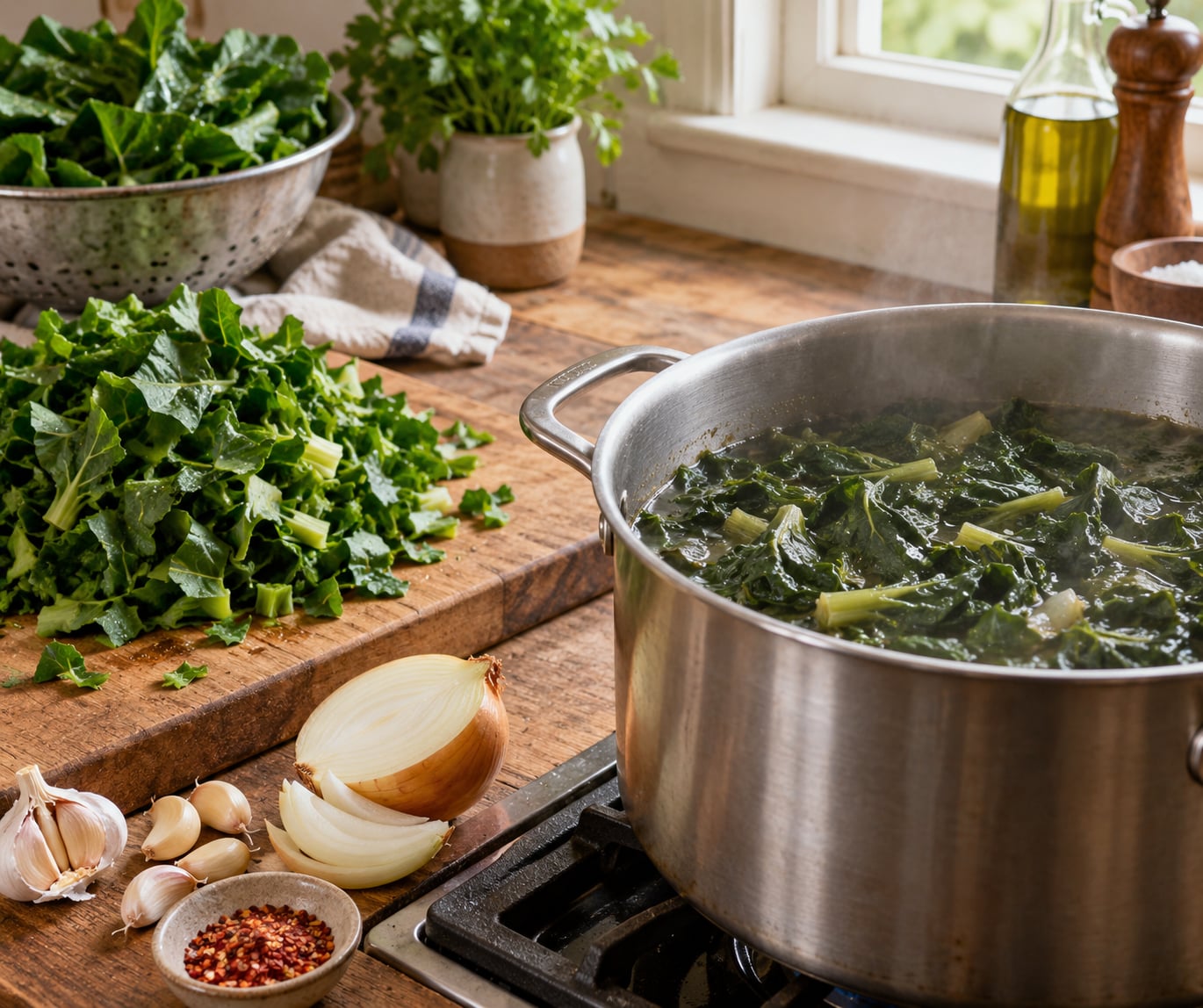
Southern turnip greens are fresh turnip leaves simmered slowly and low in a pot of broth or water seasoned with a smoked meat, onion, garlic and a splash of vinegar, until the leaves go silky-tender and the cooking liquid thickens into potlikker. If you take one thing from how to cook turnip greens southern style, make it this: wash out the grit completely, build your flavor base before the greens go in, and give them 45 to 60 minutes at a bare simmer.
Total time runs about an hour from sink to table, and most of that is hands-off. You need a big pot, a cutting board, a knife and a colander. That is the whole equipment list.
- 2 to 3 large bunches fresh turnip greens (roughly 2 pounds after trimming), washed and chopped
- 1 smoked ham hock, or 4 to 5 thick-cut slices of bacon
- 1 medium yellow onion, diced
- 3 to 4 garlic cloves, minced
- 4 cups chicken broth, or 4 cups water plus 2 chicken bouillon cubes
- 1 teaspoon kosher salt, plus more to taste
- 1/2 teaspoon red pepper flakes
- 1 tablespoon apple cider vinegar, stirred in at the end for brightness
- Optional: 1 teaspoon sugar to soften bitterness, 1 bay leaf, a dash of hot sauce
Table of Contents
- What You Need
- Essentials versus nice-to-haves
- Equipment
- How much to buy
- Step-by-Step: How to Cook Turnip Greens Southern Style
- 1. Clean and Trim the Turnip Greens
- 2. Build the Southern-Style Flavor Base
- Which meat to use
- 3. Simmer Until Tender
- Cooking time by method
- 4. Finish and Serve
- Common Mistakes
- Tips for the Best Turnip Greens
- Frequently Asked Questions
- What seasoning do you put in turnip greens?
- What takes the bitterness out of turnip greens?
- How long does it take to cook raw turnip greens?
- What is the best way to wash turnip greens?
- Why add baking soda to turnip greens?
- How do you cook turnip greens without meat?
- Conclusion
What You Need
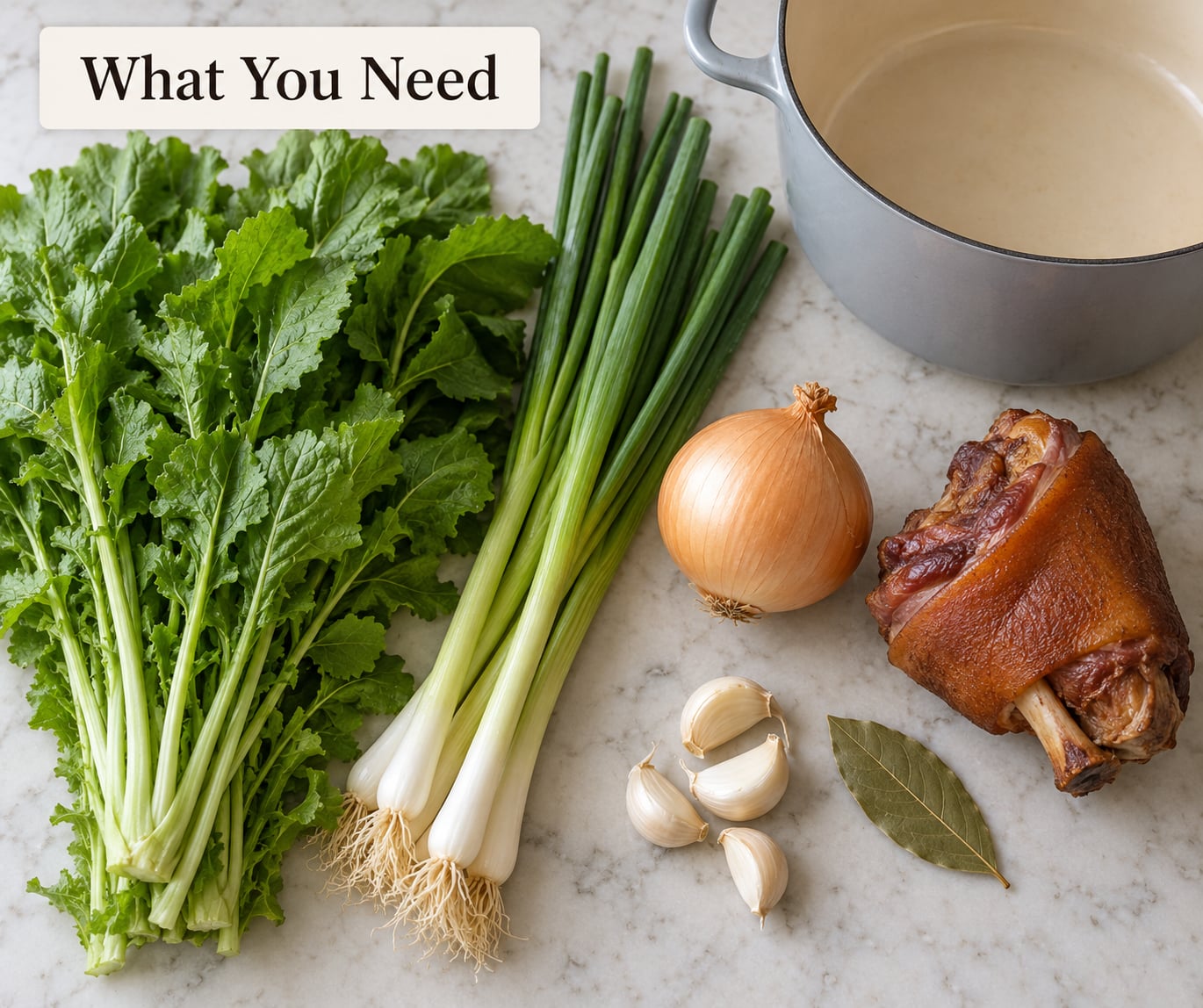
The list above is the recipe. Everything else is optional, which is good news because the greens are cheap and the pot does most of the work.
Essentials versus nice-to-haves
The only truly non-negotiable items are the greens, salt, fat and liquid. Smoked meat is the traditional flavor lever and it is what makes the potlikker taste like a Sunday dinner, but plenty of cooks make this dish every week with plain bacon grease and a bouillon cube.
For the best results use onion and garlic. They dissolve into the liquid during the long simmer and become part of the sauce. Red pepper flakes and vinegar are what stop the greens from tasting flat, and sugar is the classic answer to bitterness.
Equipment
A heavy pot with a lid, at least 8 quarts, is what you want. Greens lose roughly two thirds of their volume as they cook, so a pot that looks generously full will not overflow if you add the greens gradually rather than all at once. A colander, a large bowl for washing, and a sharp knife are the rest of it.
How much to buy
Plan on about half a pound of raw greens per person as a side dish, and three quarters of a pound if the greens are the main event alongside cornbread and a plate of beans. Raw bunches shrink hard, so a single large bunch usually serves two or three. Cooking for a holiday crowd of 15 means roughly 8 pounds raw greens and a pot you could park a turkey in.
Prep time is 20 to 30 minutes, mostly washing. Cook time is 45 to 60 minutes on the stove.
Step-by-Step: How to Cook Turnip Greens Southern Style
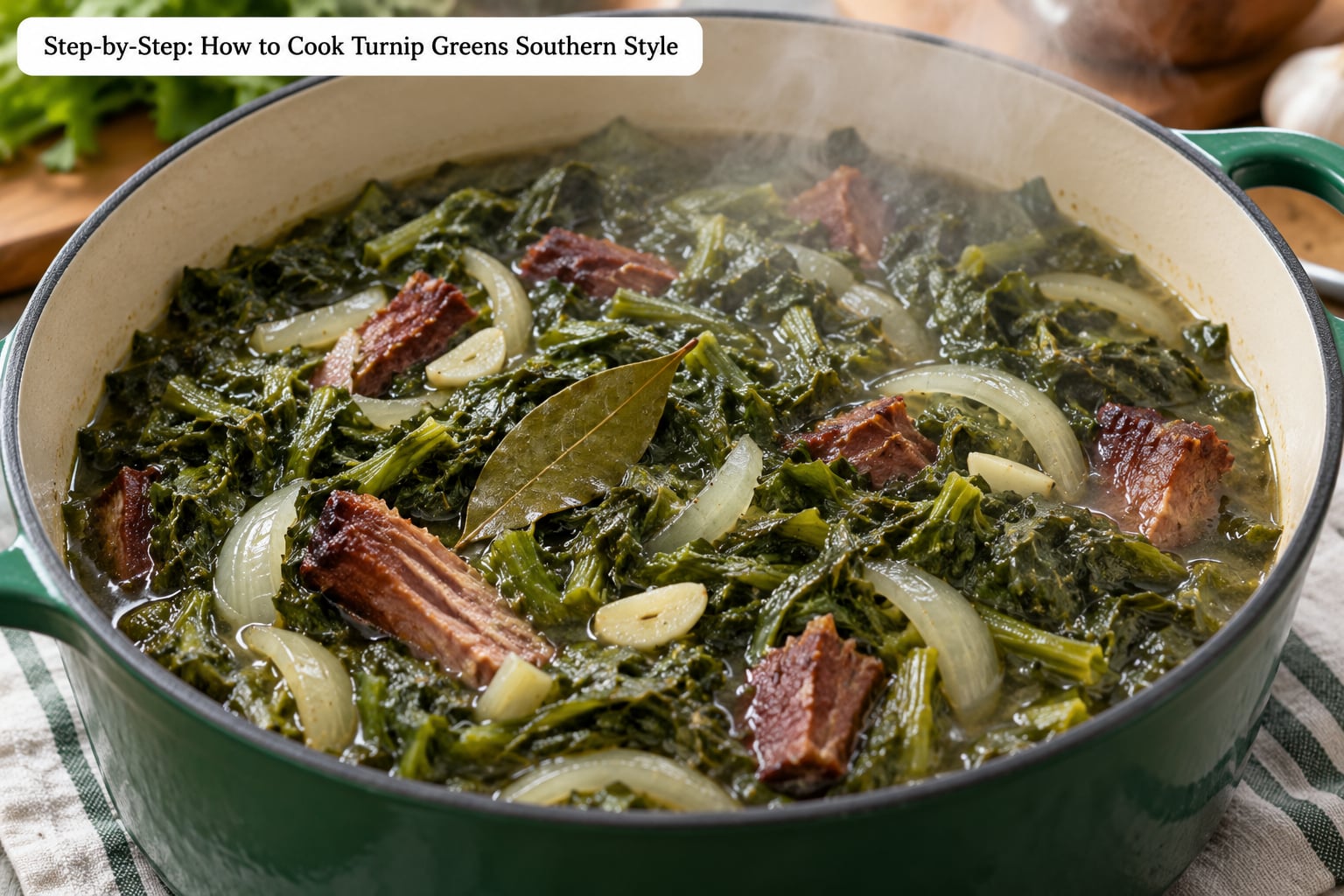
Here is how to cook turnip greens southern style in eight steps. The order matters more than the details: flavor base first, greens second, vinegar last.
1. Clean and Trim the Turnip Greens
Grit is the single most common complaint about turnip greens, and it is the easiest problem to fix. Fill a large bowl or your sink with cold water, submerge the leaves, swish them around with your hands, and let them sit for a minute so the sand drops to the bottom. Lift the greens out, dump the water, and repeat until the water runs clear. Three changes is the usual minimum, and greens pulled straight from a market bed often need four.
A tip that keeps surfacing in recipe comment threads: add a tablespoon of salt to the first wash. The salt helps float out tiny insects and settles some of the finer grit along with the water. After the last rinse, spin or pat the greens dry. Greens that go into the pot soaking wet steam instead of simmer, and you end up with watery cooking liquid.
Now cut. Break each leaf away from its stem. Slice the tender inner part of the stem into thin strips and keep it, because it sweetens as it cooks and most people never realize it is in there. Peel away any stem thicker than a pencil with a paring knife; those stay chewy no matter how long you simmer them.
2. Build the Southern-Style Flavor Base
Put the pot on medium heat. Brown the meat first, and this is the step most recipes skip. Render the bacon or sear the ham hock until the fat runs clear and the edges crisp, about 3 to 5 minutes. If you are using bacon, pull the crisp pieces out and put them back at the end so they stay crunchy.
Drop the onion into the rendered fat and cook until soft and translucent, roughly 4 minutes. Add the garlic, red pepper flakes and bay leaf and cook one minute more, just until the garlic smells sweet rather than burnt.
Pour in the broth, or the water plus bouillon cubes, and season it now with about a teaspoon of salt. Let this liquid come to a boil and then hold it at a low simmer for 20 to 30 minutes before the greens go in. This head start is what separates good potlikker from thin broth, because the meat, onion and garlic have time to flavor it properly. A small splash of liquid smoke at this point is optional and a little goes a long way.
Which meat to use
| Meat | Flavor it gives | Note |
|---|---|---|
| Smoked ham hock | Deep smoky savoriness, the traditional choice | Needs the longest head-start simmer, about 30 minutes |
| Bacon | Smoky and salty with a crisp finish | Quickest option, about 8 to 10 minutes |
| Smoked turkey neck or wing | Lean smoke without the pork fat | Good middle ground, about 20 minutes |
| Salt pork or country ham | Saltiest, richest potlikker | Soak in water first and skip added salt |
| Smoked sausage, sliced | Spiced smoke, kid-friendly | Add with the onions, about 8 minutes |
3. Simmer Until Tender
Raise the heat to a boil, then add the chopped greens a handful at a time, stirring each addition down into the liquid. Adding everything at once is how people overflow their pots and how the leaves cook unevenly, because the ones on top steam while the ones at the bottom boil.
Once the pot is full, stir once more, cover, and drop the heat until you see one lazy bubble every second or two. That is a simmer, not a boil. Hold it there 45 to 60 minutes, stirring every 15 minutes or so, until the greens are tender with a slight bite left in them. Southern cooking stops short of mush, and overcooking is the usual reason people say they dislike greens.
Cooking time by method
| Method | Time | Liquid and salt |
|---|---|---|
| Stovetop simmer, covered | 45 to 60 minutes | 4 cups liquid, full salt |
| Slow cooker on low | 4 to 5 hours | 3 cups liquid, full salt |
| Instant Pot, high pressure | 15 to 20 minutes, quick release | 1 to 2 cups liquid, half the salt |
| Blanch then finish in the pot | 2 to 3 minutes blanch, then 25 minutes simmer | Same as stovetop |
Pressure cookers and slow cookers both run at a gentler, wetter heat than a stovetop boil, so they need less liquid and less salt or the dish comes out salty.
4. Finish and Serve
Take the lid off and taste the liquid. This is the potlikker, and it should be thick enough to coat a spoon lightly, not watery and not gluey. If it is thin, boil it uncovered for 5 to 10 minutes until it reduces. If it is too thick, splash in a little hot water or broth.
Now season the pot, not just the greens. Stir in the apple cider vinegar, taste, add salt until it tastes slightly under-seasoned, because the greens soak up more as they sit. A pinch of sugar at this stage rounds out any remaining bitterness.
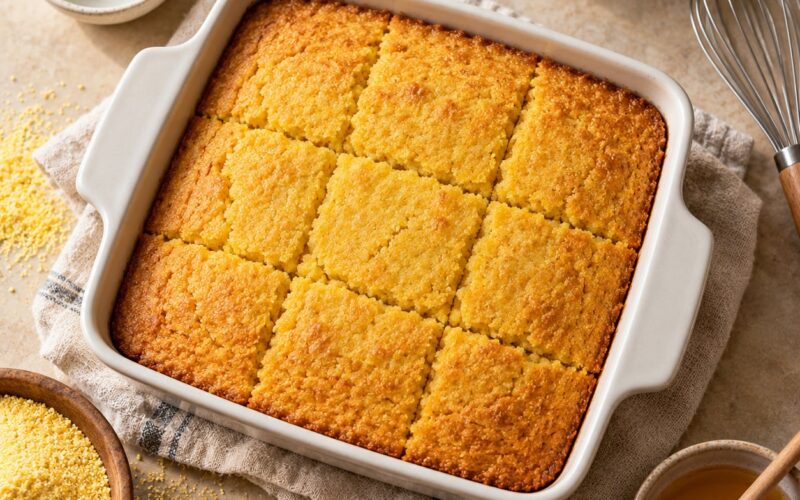
Serve the greens in the potlikker, with hot sauce, pepper vinegar or chopped hot peppers on the table. Cornbread for catching the sauce, fried chicken, pork chops, and a pot of pinto beans are the usual partners.
Common Mistakes
Greens that taste bitter. Usually undercooked. Turnip greens contain compounds that break down with sustained heat, so a rushed sauté leaves that sharp edge intact. Give them the full 45 to 60 minutes at a gentle simmer and finish with vinegar. A teaspoon of sugar or 1/2 teaspoon of baking soda stirred in for the final 10 to 20 minutes will soften bitterness too, because soda is alkaline and neutralizes those compounds.
A greasy pot. You used fatty meat and never drained it. Skim the rendered fat off the top before serving, or start with a leaner cut like smoked turkey. Rendered fat that stays in the pot reads as slick rather than savory.
Watery greens. Too much liquid, or the pot was never brought to a simmer. Greens release their own water as they cook, so use less broth than feels right and reduce the potlikker at the end with the lid off.
Grit in the greens. You rinsed once. Sand hides in the veins, and turnip greens grow close to the ground. Repeat the wash and drain cycles until the water is clear.
Leaves that stay tough. Thick mature stems, or greens that were cut too coarse. Cut the greens into ribbons rather than large pieces, keep the thin stem sections, and remove anything pencil-thick or thicker.
Mushy greens. You chased the bitterness and cooked past tender. Once the leaves fold without resistance and the stems bend easily, stop. Extra simmering turns tender greens into paste.
Flat, bland greens. Seasoning went in before the greens did. Salt the broth at the head-start stage, then adjust the finished potlikker with salt, vinegar and pepper. Vinegar is what makes the greens taste bright instead of flat.
A pot that is too salty to fix. Country ham and salt pork bring a lot of salt with them. Soak the meat in cold water for 30 minutes first, leave out the added salt entirely, and taste the potlikker before, not after, seasoning.
Tips for the Best Turnip Greens
Pick well. At the market, choose bunches with bright green leaves and stiff, pale stems. Avoid anything yellowing, wilted or already bolting. Greens that have bolted or gone past their prime are more bitter and cook down to less, so buy those for soup and not for a side dish.
Do not waste the roots. The turnips themselves are edible. Scrub them, cut them into chunks and add them to the pot with the greens. They soften at roughly the same rate, thicken the potlikker, and turn a side dish into something that fills a plate. Plenty of market shoppers have never been told this.
Use the stems. The rule of thumb is age. Young, pencil-thin stems can stay and go crisp-tender. Thick, woody stems from mature plants should be peeled or cut away.
Know what you are buying. Fresh bunches have the best texture and the most flavor. Pre-washed bagged greens are washed once by the processor, so still give them a rinse, and they cook in about 30 minutes. Frozen greens cook in 10 minutes but turn soft and lose their bite, which makes them better for soup than for a dinner side. Canned greens are already tender and salty enough to need only a few minutes in a skillet with onion and pepper vinegar.
Size the pot for a crowd. Raw greens shrink by about two thirds. For 15 people you need roughly 8 pounds raw, which means a 20-quart pot and the patience to add the greens in batches. Cook in two pots rather than cramming one, because an overstuffed pot never gets back to a simmer.
Make it work without meat. For a Lenten or vegan pot, use olive oil or the last spoonful of bacon grease you are keeping from someone else’s dinner, vegetable broth plus smoked salt, and a doubled helping of garlic, onion and pepper. The greens do not know the difference once the potlikker is seasoned well.
Let people season their own bowl. Put hot peppers soaking in apple cider vinegar on the table, keep hot sauce nearby, and try the hot honey trick that shows up in cook comments: a spoonful stirred into the serving bowl. A little hot honey with a lot of greens tastes like it should have always been there.
Store and reheat safely. Refrigerate cooked greens within two hours in a sealed container and use them within three to four days. Reheat only the amount you need, in a skillet over medium heat, until steaming all the way through, about 165 F. Microwaving in short bursts with a splash of water keeps them from drying out.
Freeze well, with a caveat. Frozen greens are excellent for soups and potlikker but come back softer. Freeze them cooked with a little liquid and expect the texture to be creamy rather than leafy.
Know why they matter on the table. Turnip greens are high in vitamins C and K, folate and calcium, and they carry iron. Pair them with something else high in vitamin C, like tomatoes or a squeeze of lemon, because that improves how much of that iron your body absorbs. And on New Year’s Day, greens are on the table because they symbolize bills folded up and paid off, which is why a pot of them shows up in so many holiday meals.
Frequently Asked Questions
What seasoning do you put in turnip greens?
Smoked meat, salt, garlic, onion and a splash of vinegar at the end. Ham hock gives the deepest flavor, bacon is fastest, and smoked turkey neck works if you want leaner potlikker. Season the broth with a teaspoon of kosher salt, add garlic and red pepper flakes during the head-start simmer, then adjust the finished liquid with more salt, apple cider vinegar and black pepper.
What takes the bitterness out of turnip greens?
Time is the main answer. Hold the greens at a bare simmer for the full 45 to 60 minutes and the sharp compounds break down. Beyond that, add a teaspoon of sugar, finish with a tablespoon of apple cider vinegar, blanch the greens for 2 to 3 minutes and drain before they go in the pot, or stir 1/2 teaspoon of baking soda into the pot during the final 10 to 20 minutes.
How long does it take to cook raw turnip greens?
On the stovetop, 45 to 60 minutes at a bare simmer after the pot comes to a boil. In a slow cooker, plan 4 to 5 hours on low. An Instant Pot needs only 15 to 20 minutes at high pressure with a quick release, using less liquid and less salt since the pressure cooker cooks wetter and saltier. Blanched greens finish in about 25 minutes.
What is the best way to wash turnip greens?
Submerge the leaves in cold water, swish them hard, let them sit a minute so grit settles, then lift the greens out and dump the water. Repeat three or four times until the water runs clear. A tablespoon of salt in the first wash helps float out small insects and pulls down fine sand. Do not soak the greens for long, because they lose flavor and cook watery.
Why add baking soda to turnip greens?
Baking soda is alkaline, and it neutralizes the plant compounds that make turnip greens taste bitter. Use about 1/2 teaspoon per 2.5 pounds of raw greens and stir it in during the last 10 to 20 minutes of cooking rather than at the start, which is where you will damage the greens and wash out their color. It is a rescue step, not something every pot needs.
How do you cook turnip greens without meat?
Use olive oil or bacon grease in place of the smoked meat, and get the same amount of smoky depth from vegetable broth plus a spoonful of smoked salt. Double the garlic and onion so the potlikker still has body, keep the vinegar and red pepper flakes, and simmer the greens the same 45 to 60 minutes. A small splash of liquid smoke also stands in for the rendered fat.
Conclusion
Start where most greens go wrong: wash them in cold water until the water runs clear, trim out only the thick stems, and build your flavor base first. Brown the meat, soften the onion and garlic in the fat, season the broth, and give it a 20-minute simmer before the greens go in.
Then add the greens gradually, cover, drop to a bare simmer, and give them 45 to 60 minutes. Season the potlikker at the end with salt and apple cider vinegar, and serve them hot with cornbread and something fried. Follow this method for how to cook turnip greens southern style and you will end up with greens that are tender and savory rather than bitter or mushy.